

Central Europe plans oil pipeline overhaul to cut Russian dependence
Translated from Hungarian, summarized and contextualized by DistantNews.
At a glance
News
Sources not specified
New plan
- Slovakia and the Czech Republic are considering plans to rebuild the "Friendship" oil pipeline to supply Slovakia with oil.
- This move aims to reduce Slovakia's dependence on Russian oil, as the EU targets a complete halt to Russian energy imports by the end of 2027.
- Azerbaijan's resources and Ukraine's transit role are seen as potential solutions for post-2028 energy supply.
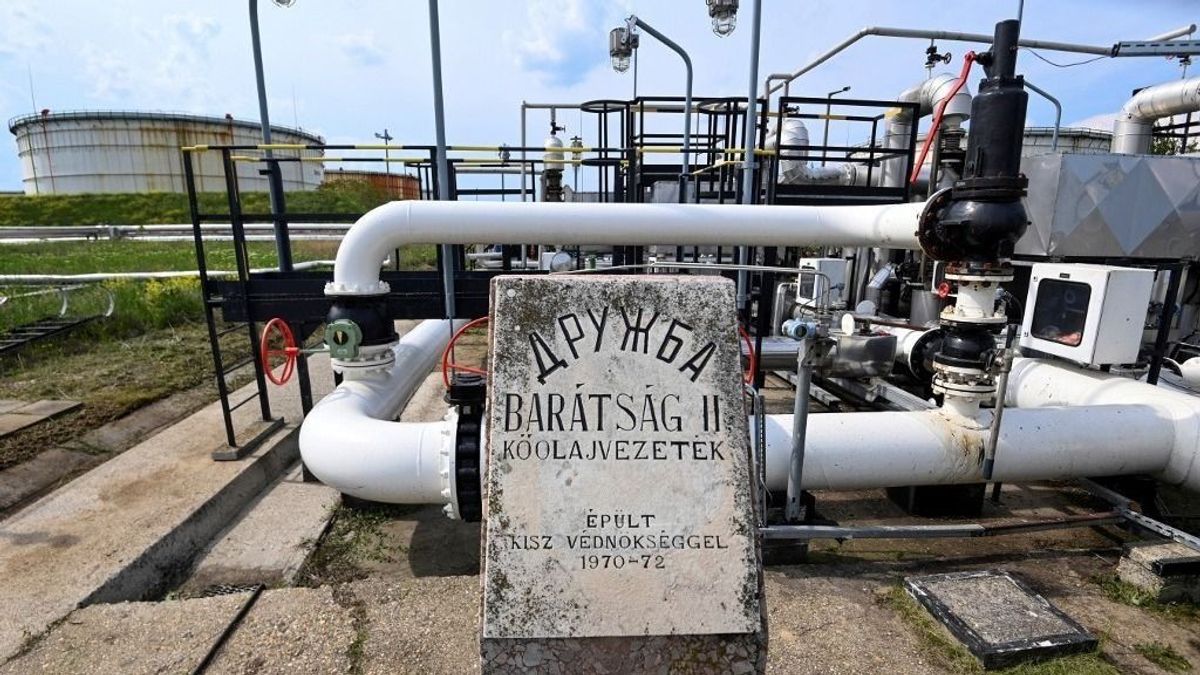
Slovakia and the Czech Republic are exploring a significant engineering project to reconstruct the "Friendship" oil pipeline, a move that could enable the Czech Republic to supply oil to Slovakia. This initiative is part of a broader European Union strategy to phase out all energy imports from Russia by the end of 2027.
The "Friendship" pipeline, which currently supplies both Slovakia and Hungary with Russian oil, represents one of the last remaining direct energy links to Russia for these EU member states. While other EU nations import Russian liquefied natural gas via sea routes, Slovakia and Hungary remain directly dependent on pipeline imports. The proposed reconstruction, though complex and estimated to take at least a year, is being actively considered by the Czech Republic.
This effort underscores the EU's commitment to energy diversification and independence from Russian fossil fuels. The bloc's ambitious goal of ending Russian energy procurement by 2027 necessitates such strategic infrastructure adjustments. Looking beyond 2028, the potential integration of resources from Azerbaijan and the continued reliability of Ukraine as a transit hub are being identified as key components of Europe's future energy security strategy.
DistantNews Editorial
Originally published by Magyar Nemzet in Hungarian. Translated, summarized, and contextualized by our editorial team with added local perspective. Read our editorial standards.
More Stories
From Our Blog

Countries Without a Free Press: What You Need to Know

What Press Freedom Means for the News You Read

What Gets Lost (and Found) When News Is Translated

The Critical Role of Diaspora Media in Global News

What Travellers Should Know About Countries with Restricted Press
