


Cerro Navia mayor urges Chile to direct compensation funds to common pool, not wealthy communes
Translated from Spanish, summarized and contextualized by DistantNews.
At a glance
News
Named sources
Context piece
- The mayor of Cerro Navia, Mauro Tamayo, criticized Chile's proposed fiscal compensation mechanism.
- He argued that funds intended for municipal compensation should go to a common fund, not directly to wealthier communes.
- Tamayo believes the current proposal, funded by VAT, unfairly burdens poorer communes while benefiting richer ones.
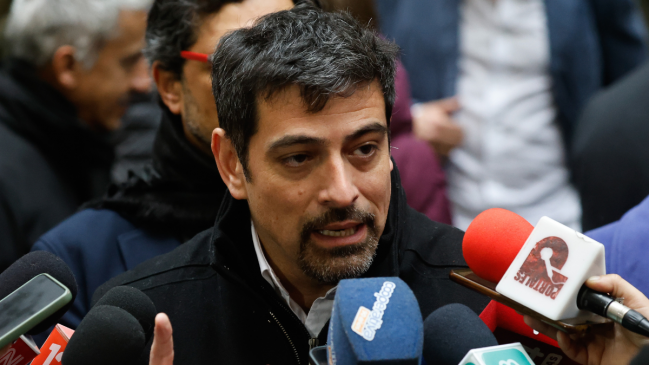
Mauro Tamayo, the mayor of Cerro Navia, has voiced strong criticism against Chile's proposed fiscal compensation mechanism, arguing it would unfairly benefit wealthier municipalities at the expense of poorer ones. Tamayo expressed his concerns during an interview with Cooperativa, urging that any compensation funds be channeled through a common municipal fund rather than directly to the richest communes.
Tamayo highlighted the potential negative impact of the current proposal, which he claims would use Value Added Tax (VAT) revenue to fund services in affluent areas like Las Condes, Vitacura, and Providencia. He described such a system as a "tragedy that has not been fully understood," arguing that it forces residents of poorer communes, such as La Pintana, Lo Espejo, and Cerro Navia, to finance the maintenance of green spaces in wealthier districts.
"This will clearly perpetuate a model where those who have more will continue to have more forever, but financed by the poorest, and we believe that is profoundly unequal and unjust," Tamayo stated. He emphasized that his proposal is not to demand additional funds but to ensure that the already committed compensation is distributed equitably based on criteria such as population and poverty levels.
Tamayo's proposal suggests that the additional 70 million dollars in compensation, beyond the initial 130 million, should be allocated to the Municipal Common Fund. This fund, he explained, distributes resources based on various factors, ensuring that both affluent and poorer communes receive support. He stressed that this approach would provide resources to poorer communes in Chile while still benefiting wealthier ones like Las Condes and Vitacura, but through a more equitable distribution system.
DistantNews Editorial
Originally published by Cooperativa in Spanish. Translated, summarized, and contextualized by our editorial team with added local perspective. Read our editorial standards.
More Stories



From Our Blog

What Gets Lost (and Found) When News Is Translated

The Critical Role of Diaspora Media in Global News

What Travellers Should Know About Countries with Restricted Press

A Digital Nomad's Guide to Following Local News

How the Same Story Looks Different in Different Countries
