


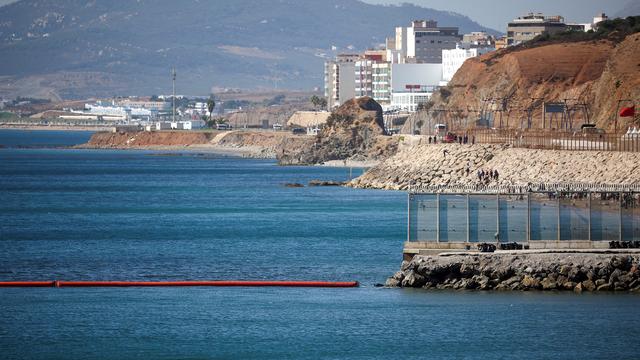
Ceuta crisis: Spain gives Italy ultimatum to end border controls
Translated from German, summarized and contextualized by DistantNews.
At a glance
News
Named sources
Context piece
- Spain has issued an ultimatum to Italy, demanding the cessation of its border controls by the end of the week.
- Italy's Prime Minister Giorgia Meloni rejected the demand, stating Italy will not accept foreign dictates on national security.
- The dispute stems from Italy's suspension of the Schengen Agreement concerning Spanish citizens following a migration crisis in Ceuta.
Spain has issued a stern ultimatum to Italy, demanding that Rome cease its border controls by the end of the week, a move that has been swiftly rejected by Italian Prime Minister Giorgia Meloni.
Italy does not accept ultimatums or dictates from abroad regarding national security and border control.
The conflict arose after Italy suspended the Schengen Agreement for Spanish citizens, citing the recent migration crisis in Ceuta, the Spanish enclave in North Africa. Spain argues that Italy's border controls are unfair, contrary to EU interests, and discriminatory towards Spanish citizens. According to Spanish media reports, the Spanish government warned that if Italy does not comply by Sunday, August 9, Spain will be forced to take "proportionate measures" to protect its citizens' interests and dignity.
However, Prime Minister Meloni's office issued a firm statement asserting that "Italy does not accept ultimatums or dictates from abroad regarding national security and border control." The statement emphasized that Italy intends to maintain its decision to suspend the application of the Schengen Agreement for third-country nationals from Spain until at least August 15, and as long as security and terrorism risks remain a concern for Italy.
We intend under no circumstances to revise the decision to suspend the application of the Schengen Agreement for third-country nationals from Spain, at least until August 15 and in any case as long as security and terrorism risks for Italy are fully excluded.
The situation is complicated by the fact that Italy and Spain do not share a land border. The migrants who entered Ceuta, numbering over 70,000 in the past week, primarily arrived by swimming or climbing fences from Morocco. At least 100 deaths were reported during this influx, though most migrants have since returned to Morocco. Italy's decision to suspend Schengen, described by Meloni as an "extraordinary measure" to ensure national security, primarily affects air and sea travel, with a focus on non-EU citizens. Spain's demand and Italy's refusal highlight the growing tensions within the EU over migration management and border security.
Spain is forced to take proportionate measures to protect the interests and dignity of its citizens.
DistantNews Editorial
Originally published by Die Zeit in German. Translated, summarized, and contextualized by our editorial team with added local perspective. Read our editorial standards.
More Stories


From Our Blog

What Gets Lost (and Found) When News Is Translated

How the Same Story Looks Different in Different Countries

The Critical Role of Diaspora Media in Global News

What Travellers Should Know About Countries with Restricted Press

A Digital Nomad's Guide to Following Local News
