

Chaos and Confusion Grip Mexico City Metro Line 2 Amid Service Suspension
Translated from Spanish, summarized and contextualized by DistantNews.
At a glance
News
Sources not specified
Ongoing story
- Users faced chaos and confusion on Mexico City's Metro Line 2 due to service suspension between Pino Suárez and Xola stations.
- The closure is for accelerated remodeling work ahead of the 2026 World Cup.
- Passengers struggled to find alternative transportation, with some waiting hours for RTP buses.
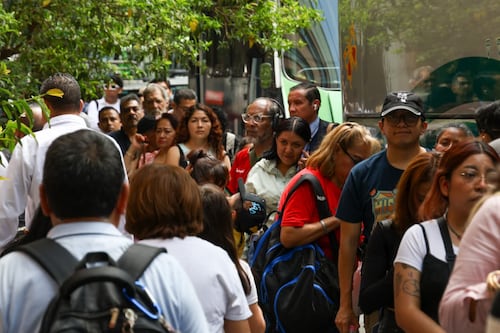
Commuters in Mexico City experienced significant disruption and confusion as service on Metro Line 2 was suspended between Pino Suárez and Xola stations. The closure, which began Tuesday, is attributed to accelerated remodeling work necessary before the 2026 World Cup begins.
Hundreds of passengers found themselves stranded, desperately seeking alternative ways to reach their destinations. The absence of clear information and the disorganized provision of provisional transport, specifically Red de Transporte de Pasajeros (RTP) buses, exacerbated the situation. Many users reported long waits and difficulty locating the designated pick-up points for the replacement buses.
One commuter, Laura, expressed frustration after waiting over an hour and a half, only to be misinformed about the RTP bus location. She was heading to Xochimilco and ultimately decided to turn back. Another passenger, Carlos, spent over thirty minutes in what he thought was an RTP queue, only to realize it was for a different, privately operated bus service.
While some green RTP buses were available near Pino Suárez station, heading towards Tasqueña, they moved slowly due to heavy traffic and security checkpoints. The disruptions are expected to continue until June 4th, after which Line 2 will resume regular service, with the exception of the San Antonio Abad, Portales, and Nativitas stations.
DistantNews Editorial
Originally published by El Universal in Spanish. Translated, summarized, and contextualized by our editorial team with added local perspective. Read our editorial standards.
More Stories


From Our Blog

What Press Freedom Means for the News You Read

What Gets Lost (and Found) When News Is Translated

The Critical Role of Diaspora Media in Global News

What Travellers Should Know About Countries with Restricted Press

A Digital Nomad's Guide to Following Local News
