


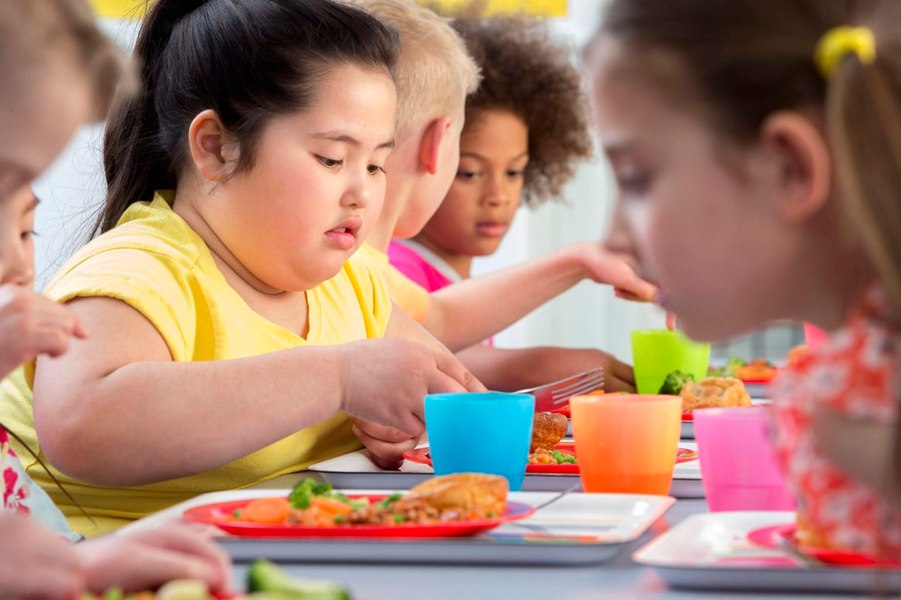
Childhood obesity surges post-pandemic in Romania; 20-25% of children overweight
Translated from Romanian, summarized and contextualized by DistantNews.
At a glance
News
Sources not specified
Context piece
- Childhood obesity in Romania has significantly increased post-pandemic, with 20-25% of children now overweight or obese.
- Factors contributing to this rise include increased sedentary lifestyles, screen time, and consumption of ultra-processed foods.
- Experts emphasize the need for early prevention, starting from the first months of life, and advocate for lifestyle changes rather than restrictive diets.
Childhood obesity has seen a dramatic surge in Romania in recent years, a trend exacerbated by lifestyle changes accelerated by the pandemic. Increased sedentary behavior, excessive screen time, and easy access to ultra-processed foods are identified as key contributors to this growing health concern.
Professor Dr. Doina Pleșca highlighted in an interview with "Adevărul" that the problem has escalated significantly since 2022. Approximately 20-25% of Romanian children are now considered overweight or obese, figures comparable to those seen across Europe. This rise is particularly concerning given the pandemic's impact on children's daily routines, including dietary habits and reduced physical activity.
Childhood obesity has grown spectacularly among children. The percentages, unfortunately, reach figures comparable to those in Europe and beyond. Around approximately 20-25% of children have weight above the normal limit, meaning they are overweight or even obese, with varying degrees of obesity.
Dr. Pleșca noted that this upward trend in overweight and obese children contrasts with a decrease in those suffering from malnutrition or being underweight. She described the global situation as a "pandemic" of this significant nutritional disorder. Crucially, she pointed out that these children were not genetically predisposed to conditions like hypertension, atherosclerosis, metabolic syndrome, or diabetes, which are closely linked to obesity.
The expert stressed that prevention efforts should commence much earlier than previously thought, ideally from the initial months of a child's life, rather than waiting until they start school. While acknowledging the role of genetics and family environment, Dr. Pleșca emphasized that lifestyle factors, such as reduced physical activity and increased screen time, play a major role. She suggested that incorporating physical activities like swimming into school programs, as seen in France, could be beneficial.
Prevention should not start only when the child goes to school, but from the first months of life.
DistantNews Editorial
Originally published by Adevărul in Romanian. Translated, summarized, and contextualized by our editorial team with added local perspective. Read our editorial standards.
More Stories



From Our Blog

What Gets Lost (and Found) When News Is Translated

The Critical Role of Diaspora Media in Global News

What Travellers Should Know About Countries with Restricted Press

A Digital Nomad's Guide to Following Local News

How the Same Story Looks Different in Different Countries
