


Children of Brazil's 'Hospital of Horrors' Demand Justice for Lifelong Suffering
Translated from Spanish, summarized and contextualized by DistantNews.
At a glance
News
Named sources
Context piece
- Descendants of women institutionalized at Brazil's Barbacena psychiatric hospital are demanding justice.
- An estimated 60,000 people died at the facility, known as the "hospital of horrors."
- Survivors' families are suing the state, recounting lives of suffering and seeking accountability for the mistreatment.
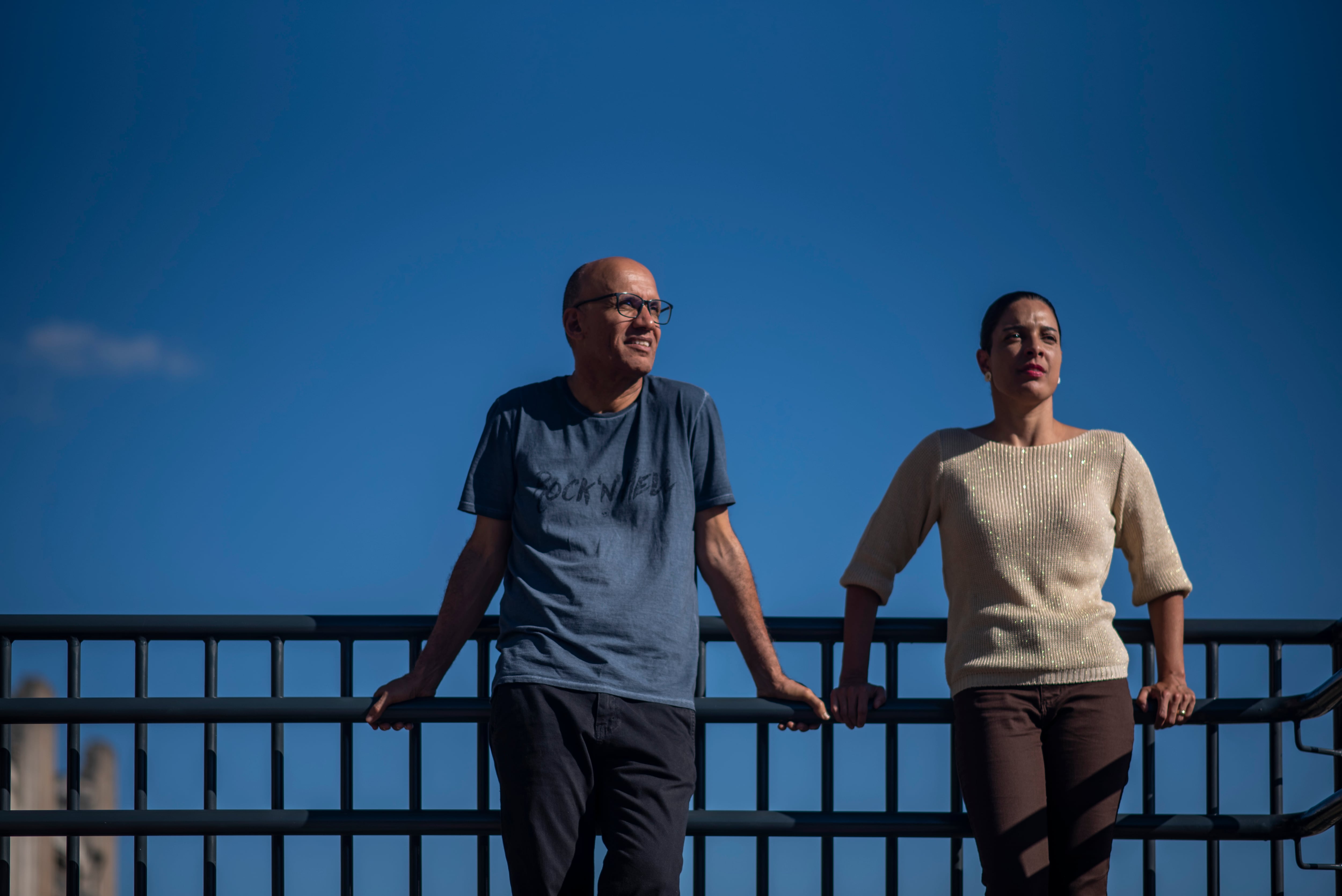
Descendants of women who were institutionalized at Brazil's notorious Barbacena psychiatric hospital are demanding justice, calling their relatives' experiences a "lifetime of punishment." The facility, infamously known as the "hospital of horrors," saw an estimated 60,000 deaths during its operation.
Families are now taking legal action against the state, motivated by the harrowing accounts of their relatives' suffering. They have uncovered the grim past of women who were committed to the institution, often for reasons that would not be considered valid today. These descendants are seeking accountability for the systemic mistreatment and neglect that characterized the Barbacena hospital.
The revelations shed light on a dark chapter in Brazil's history, where vulnerable individuals were subjected to inhumane conditions. The legal pursuit by the families aims to bring closure and recognition for the victims and to ensure such atrocities are never repeated. Their fight highlights the ongoing struggle for justice for those who suffered within the confines of the Barbacena institution.
It was a lifetime of punishment
DistantNews Editorial
Originally published by El País in Spanish. Translated, summarized, and contextualized by our editorial team with added local perspective. Read our editorial standards.
More Stories



From Our Blog

What Gets Lost (and Found) When News Is Translated

The Critical Role of Diaspora Media in Global News

What Travellers Should Know About Countries with Restricted Press

A Digital Nomad's Guide to Following Local News

How the Same Story Looks Different in Different Countries
