


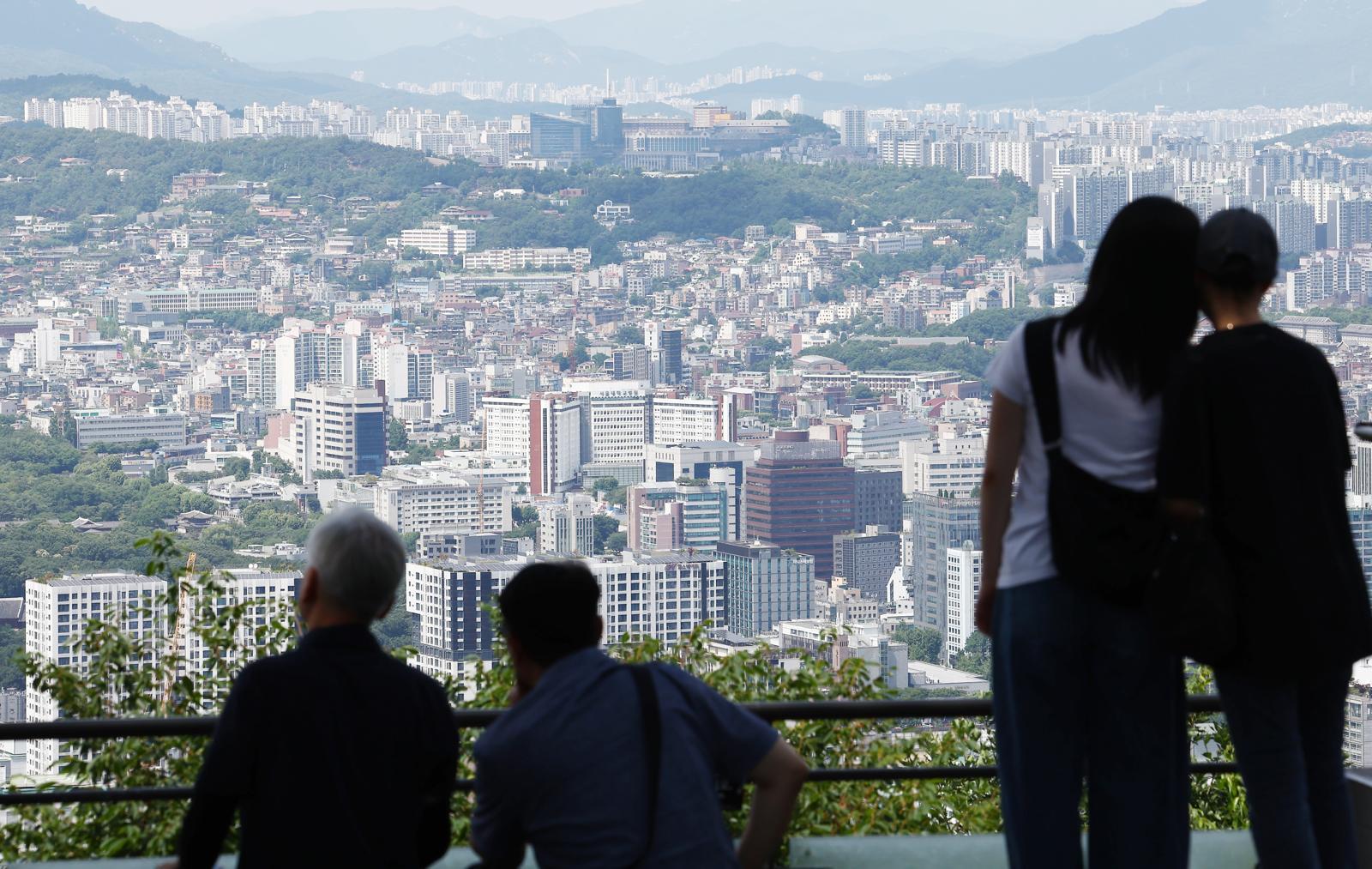
Children's Education Drives Homeowners to Rent in South Korea
Translated from Korean, summarized and contextualized by DistantNews.
At a glance
News
Documents & data
Context piece
- A study found that the primary reason for homeowners living in rented properties is their children's education.
- This phenomenon, known as "self-owned rental households," constitutes about 5% of all households, concentrated in the Seoul metropolitan area.
- Researchers suggest policies to disperse excellent school districts and private education resources in the Seoul area and enhance public education competitiveness in non-metropolitan regions to alleviate housing instability caused by school district demand.
A significant portion of South Korean households that own a home but reside in rented accommodations do so primarily for their children's education, according to a recent study. These "self-owned rental households" represent approximately 5% of all households nationwide, with a notable concentration in the Seoul metropolitan area, including Seoul, Incheon, and Gyeonggi Province.
The research, published in the journal "Housing and Urban Research" by the Korea Land and Housing Corporation (LH) Land and Housing Research Institute, analyzed data from the Korean Labor Panel Study (KLIPS) between 2009 and 2022, combined with national academic achievement data. The findings indicate that in the Seoul metropolitan area, regions with higher academic achievement and a greater proportion of students at or above the "normal" education level showed a higher probability of homeowners opting for rental housing.
The phenomenon of choosing to rent despite owning a home due to school districts can act as a factor that exacerbates housing instability.
Conversely, in non-metropolitan areas, regions with top academic achievement levels exhibited a lower likelihood of homeowners choosing to rent, presenting a contrasting trend to the capital region. The study further revealed that in the Seoul metropolitan area, the probability of owning a home but renting increased significantly in areas where both academic achievement indicators were high, suggesting a strong influence of school district demand on housing choices.
Researchers propose that policies aimed at dispersing the concentrated superior school districts and private education resources in the Seoul metropolitan area, alongside efforts to enhance the competitiveness of public education in non-metropolitan regions, are necessary to mitigate housing instability. The study concludes that the phenomenon of choosing to rent despite owning a home, driven by school districts, can exacerbate housing instability, and improving educational environments in non-metropolitan areas could help alleviate this issue beyond just educational policy.
Improving the educational environment in non-metropolitan areas can alleviate housing instability beyond the level of educational policy.
DistantNews Editorial
Originally published by Dong-A Ilbo in Korean. Translated, summarized, and contextualized by our editorial team with added local perspective. Read our editorial standards.
More Stories


From Our Blog

What Gets Lost (and Found) When News Is Translated

The Critical Role of Diaspora Media in Global News

What Travellers Should Know About Countries with Restricted Press

A Digital Nomad's Guide to Following Local News

How the Same Story Looks Different in Different Countries
