


Chilean Government Shuts Door on Referendum for Security Reform
Translated from Spanish, summarized and contextualized by DistantNews.
At a glance
News
Named sources
New plan
- The Chilean government has ruled out holding a referendum on proposed constitutional reforms related to security.
- The decision comes amid parliamentary pressure to revise the bill before its legislative process continues.
- Officials stated that current legislation does not allow for such a plebiscite, but they remain open to proposals that improve the reform's design and ensure broad support.
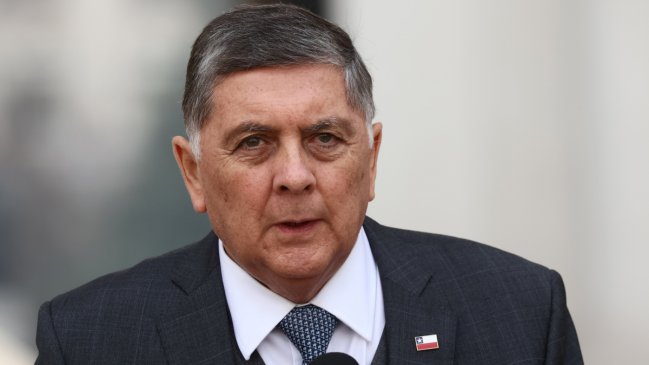
Chile's government has definitively rejected the possibility of a public referendum on its proposed constitutional reforms concerning security matters. This decision was announced from the presidential palace, with the Minister of the Interior and Government Spokesperson, Claudio Alvarado, citing existing legal and constitutional frameworks that do not provide for such a plebiscite in this context.
The Government has not thought about, nor is it thinking about, a plebiscite. Furthermore, current legislation, the current constitutional norm, does not establish it for this type of situation.
While dismissing the referendum option, Alvarado affirmed the government's commitment to the reform's objectives and expressed a willingness to consider proposals aimed at enhancing the bill's design, strengthening oversight mechanisms, and ensuring its long-term viability and widespread acceptance. This stance comes as the government faces increasing pressure from parliamentary allies seeking modifications to the project.
We will defend the purpose that motivates us to present this constitutional reform, but we are also willing to listen to all proposals that allow improving the design, strengthening controls, and ensuring it has broad support and permanence over time.
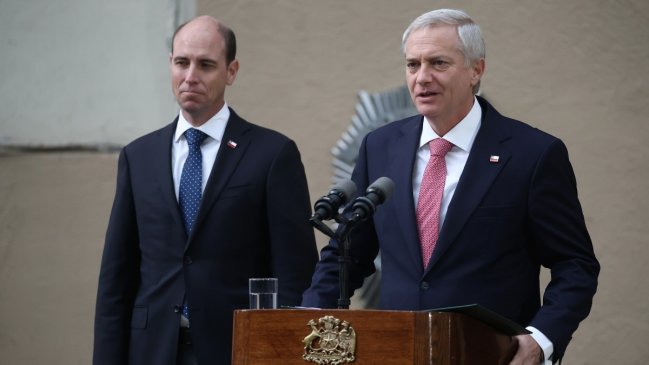
Simultaneously, the Minister of Security, Martín Arrau, engaged in discussions with parliamentarians from the Chile Vamos coalition to refine the controversial security bill. Senator Andrés Longton of Renovación Nacional (RN) emphasized the urgency of the security agenda and the need for congressional projects to meet public expectations with rigor. Deputy Constanza Hube of the UDI indicated support for potentially narrowing the scope of an "estado de excepción" (state of exception) and making constitutional modifications more "surgical."
the priority and importance that the security agenda has
However, the proposed reforms have also drawn sharp criticism from former Justice and Security Minister Luis Cordero. He warned of the initiative's weak legal foundation, suggesting that the government might be using excessive proposals to negotiate in Congress, potentially undermining its own goals. Cordero described the project as "useless" and "technically very deficient."
the projects that are in Congress have sufficient rigor to be able to move forward according to the expectations of the citizenry.
DistantNews Editorial
Originally published by Cooperativa in Spanish. Translated, summarized, and contextualized by our editorial team with added local perspective. Read our editorial standards.
More Stories


From Our Blog

What Gets Lost (and Found) When News Is Translated

The Critical Role of Diaspora Media in Global News

What Travellers Should Know About Countries with Restricted Press

A Digital Nomad's Guide to Following Local News

How the Same Story Looks Different in Different Countries
