


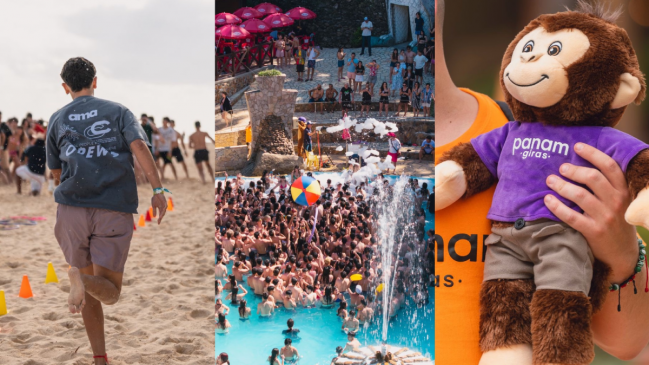
Chilean tourism embraces sustainability: Study tours focus on environment and local culture
Translated from Spanish and summarized by DistantNews. Read the original for the full story.
At a glance
In-depth
Sources not specified
Context piece
- Chile's tourism industry is shifting towards sustainability, addressing its significant environmental impact, which accounts for 11.8% of the country's total CO₂ emissions.
- Companies, particularly wholesale operators like Panam, are developing initiatives to reduce negative environmental effects and increase positive contributions to local cultures and residents.
- This transition involves modernizing the industry to align with ecological goals, with both government and private sector players taking active roles.
Chile's tourism industry is embarking on a significant ecological transition, with a growing emphasis on sustainability, cultural respect, and environmental preservation. The sector, which generates a substantial 13.3 million tons of CO₂ equivalent annually, representing 11.8% of the nation's total emissions, is actively seeking ways to mitigate its impact.
This modernization effort is not solely reliant on government policy; private companies are playing a pivotal role. Wholesale tourism operators, in particular, are spearheading initiatives to elevate environmental standards throughout the value chain. They are focusing on reducing negative impacts while simultaneously amplifying positive contributions to the destinations where they operate.
Panam, a Chilean wholesale tourism company with over 35 years of experience, stands out for its commitment to these principles. The company is actively promoting a new approach to study tours, integrating environmental consciousness and a deeper appreciation for local cultures and residents into their offerings.
This shift reflects a broader national conversation about sustainable tourism. By adapting the industry to be more environmentally friendly and culturally sensitive, Chile aims to ensure that tourism benefits both the economy and the well-being of its natural and social landscapes for the long term.
About this summary
Originally published by Cooperativa in Spanish. Translated, summarized, and contextualized automatically by DistantNews, with a note on how the source frames the story. Not individually reviewed before publishing. How this works.
More Stories

From Our Blog

What Gets Lost (and Found) When News Is Translated

The Critical Role of Diaspora Media in Global News

What Travellers Should Know About Countries with Restricted Press

A Digital Nomad's Guide to Following Local News

How the Same Story Looks Different in Different Countries
