


China Criticizes US Sanctions on Iran, Vows to Protect Economic Interests
Translated from German, summarized and contextualized by DistantNews.
At a glance
News
Sources not specified
Ongoing story
- The U.S. plans to impose new sanctions on countries trading with Iran, escalating tensions.
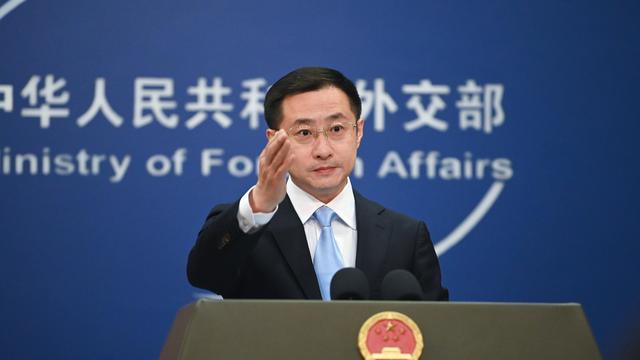
- China's Foreign Ministry spokesperson Lin Jian criticized the U.S. measures, calling them unilateral and lacking international legal basis.
- Beijing stated it would protect its economic interests and take necessary actions in response to potential U.S. sanctions.
China has strongly criticized the United States' threatened new sanctions against Iran and its trading partners, warning that Beijing will protect its own economic interests. The Chinese Foreign Ministry stated that unilateral punitive measures lacking a basis in international law are not an appropriate way to resolve conflicts.
Ministry spokesperson Lin Jian declared that China "firmly rejects illegal unilateral sanctions" and indicated that the government might retaliate against potential U.S. sanctions targeting Chinese companies or trade partners. This stance signals a potential escalation in the economic and diplomatic standoff between the two global powers.
Unilateral punitive measures lacking a basis in international law are not an appropriate way to resolve conflicts.
The U.S. Treasury Department has identified networks and intermediaries that Iran uses to sell oil and circumvent existing international sanctions. U.S. Treasury Secretary Scott Bessent emphasized the administration's commitment to enforcing these measures.
China is the world's largest buyer of Iranian oil, making the U.S. sanctions particularly impactful on Sino-Iranian trade relations. The situation highlights the ongoing geopolitical tensions surrounding Iran's nuclear program and its economic ties with major global players.
China has already stated many times that it firmly rejects illegal unilateral sanctions.
DistantNews Editorial
Originally published by Die Zeit in German. Translated, summarized, and contextualized by our editorial team with added local perspective. Read our editorial standards.
More Stories

From Our Blog

What Gets Lost (and Found) When News Is Translated

How the Same Story Looks Different in Different Countries

The Critical Role of Diaspora Media in Global News

What Travellers Should Know About Countries with Restricted Press

A Digital Nomad's Guide to Following Local News
