

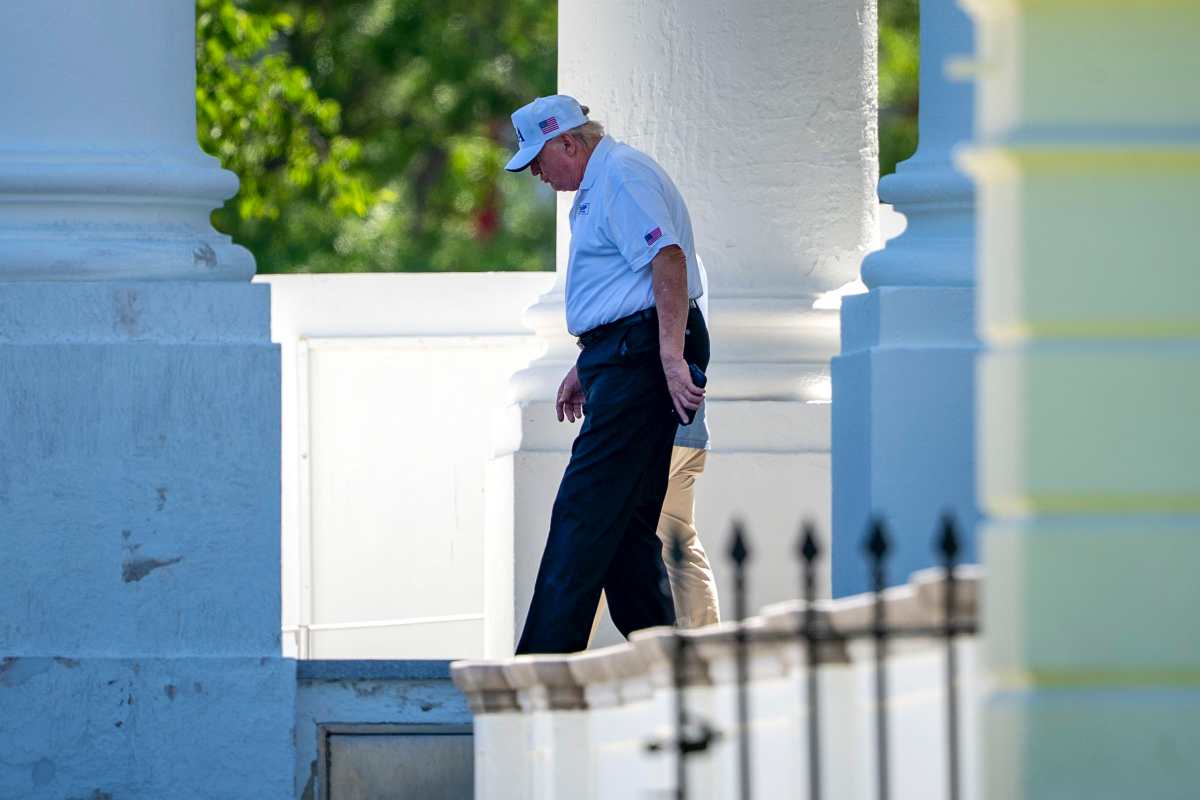

China-Russia: The Other Summit
Translated from Spanish, summarized and contextualized by DistantNews.
At a glance
Opinion
Sources not specified
Context piece
- The author argues that China needs Russia not for its resources, but for its military experience and historical approach to governance.
- Russia is characterized as an "enigma" with a history of strong leadership, from Tsars to Putin, struggling with internal issues like a declining population and poverty despite oil wealth.
- The article suggests that Russia's focus on war as a public policy, exemplified by past conflicts, is a defining characteristic, potentially linked to its current actions.
China's need for Russia stems not from natural resources, but from Russia's extensive experience in warfare and its historical model of governance. Winston Churchill's description of Russia as a "riddle wrapped in an enigma" aptly captures its complex character. Throughout history, from the Tsars like Ivan the Terrible and Peter the Great to figures like Stalin and the current leader Vladimir Putin, Russia has required a firm hand to maintain unity.
Despite its vast size and oil wealth, modern Russia is depicted as an archetypal petrocracy. It suffers from wasteful spending, distorted development, and elite struggles over resources, while the demands of its non-taxpaying population are largely ignored. Military equipment remains outdated, command and control are disorganized, and the nation faces a severe labor shortage due to a declining population. Two-thirds of Russians live near the poverty line, enduring harsh winters in unheated apartments, questioning where the nation's energy wealth has gone.
The article posits that if Russia's energy resources are not used to sustain its own people, the nation's future is uncertain unless driven by presidential decree, as seen with Putin's wars. War, the author contends, is treated as a form of public policy in Russia. Putin's involvement in the Chechen wars and the conflict with Georgia are cited as examples of this approach.
The invasion of Crimea in 2014 is presented as another instance, where Russia entered "like Pedro, not the great," without significant international repercussions, particularly from the United States under Barack Obama, who were seemingly reluctant to provoke Russia.
a riddle wrapped in an enigma
DistantNews Editorial
Originally published by Prensa Libre in Spanish. Translated, summarized, and contextualized by our editorial team with added local perspective. Read our editorial standards.
More Stories
From Our Blog

What Gets Lost (and Found) When News Is Translated

The Critical Role of Diaspora Media in Global News

What Travellers Should Know About Countries with Restricted Press

A Digital Nomad's Guide to Following Local News

How the Same Story Looks Different in Different Countries
