

China's giant sinkholes protect endangered trees, but may trap their future
Translated from English, summarized and contextualized by DistantNews.
At a glance
News
Sources not specified
Context piece
- Vast sinkholes in China provide a refuge for rare Magnolia aromatica trees, protecting them from climate change.
- These subterranean havens create stable microclimates essential for the endangered species' survival.
- However, the isolation within sinkholes may limit genetic diversity, potentially hindering the trees' future adaptability.
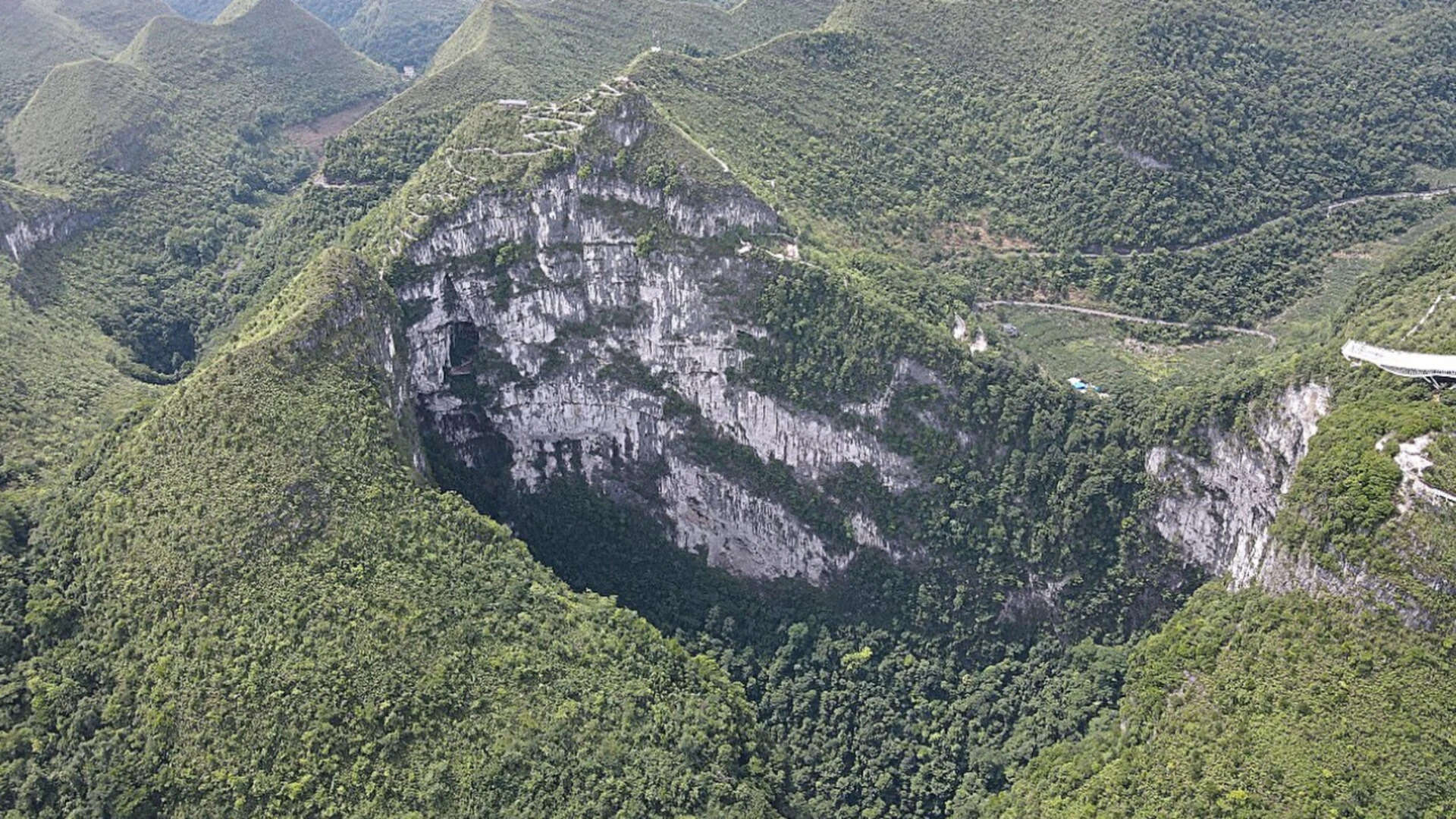
China's unique geological formations, vast sinkholes, are inadvertently acting as crucial sanctuaries for the endangered Magnolia aromatica tree. These natural subterranean environments offer a stable microclimate, buffering the rare trees against the harsh realities of a changing climate. The consistent temperature and humidity levels within the sinkholes create ideal conditions for the species to thrive, providing a vital refuge where they might otherwise struggle. This geological protection is essential for the immediate survival of Magnolia aromatica, a species facing significant environmental pressures. However, the very isolation that protects these trees also presents a long-term challenge. The limited gene flow between populations trapped in separate sinkholes could restrict genetic diversity. This lack of variation may hinder the trees' ability to adapt to future environmental shifts, posing a potential threat to their long-term viability. Conservationists face the delicate task of protecting these vital habitats while also finding ways to facilitate necessary genetic exchange to ensure the species' resilience.
DistantNews Editorial
Originally published by Times of India in English. Translated, summarized, and contextualized by our editorial team with added local perspective. Read our editorial standards.
More Stories

From Our Blog

What Press Freedom Means for the News You Read

What Gets Lost (and Found) When News Is Translated

The Critical Role of Diaspora Media in Global News

What Travellers Should Know About Countries with Restricted Press

A Digital Nomad's Guide to Following Local News
