


China’s June Refined Oil Product Exports Improve from May Amid Export Curbs
Summarized and contextualized by DistantNews.
At a glance
News
Named sources
Context piece
- Saudi Arabia is leading the Middle East in attracting artificial intelligence data center investment due to its energy resources and diversification strategy.
- The Kingdom is expected to attract the largest share of regional data center investment, with the UAE following closely.
- Saudi Arabia plans to develop AI data centers with a combined capacity of 6 gigawatts by 2034, driven by initiatives like HUMAIN and operators such as Center3.
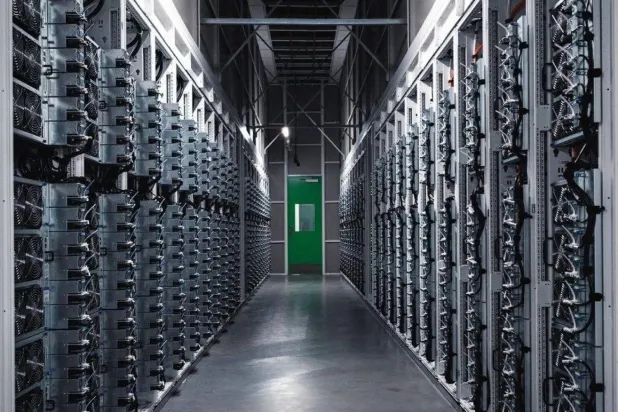
Saudi Arabia is positioning itself as the leader in the Middle East's artificial intelligence (AI) data center investment landscape, according to Mehdi Paryavi, founder and CEO of the International Data Center Authority (IDCA). Paryavi highlighted the Kingdom's abundant energy resources, economic scale, and long-term diversification strategy as key drivers for this leadership. He anticipates Saudi Arabia will attract the largest portion of regional data center investment, with the United Arab Emirates (UAE) as the next significant player.
Saudi Arabia is leading the Middle East in attracting artificial intelligence (AI) data center investment, thanks to its abundant energy resources, economic scale and long-term diversification strategy.
Data centers are described as the essential infrastructure for the digital economy, processing vast amounts of data. Given Saudi Arabia's status as home to the world's largest oil production facilities, Paryavi believes the nation is ideally situated to spearhead the development of next-generation AI data centers. This outlook aligns with the IDCA's 2026 Global Energy Report, which identifies the Middle East as a major growth area for AI data centers.
He described data centers as the backbone of the digital economy - “the refineries of the modern era” that process humanity’s most valuable resource: data.
While data centers currently represent a small fraction of electricity consumption in the Middle East compared to global averages, there is substantial room for expansion. Saudi Arabia and the UAE currently dominate the regional market, accounting for nearly 80 percent of the total data center electricity consumption. However, competition is increasing as other nations like Oman, Kuwait, and Qatar pursue their own ambitious projects, and Syria and Iraq undergo significant transformations.
While data centers account for about 2 percent of global electricity consumption, they represent just 0.5 percent of electricity use in the Middle East, leaving significant room for expansion.
Paryavi also pointed to Egypt's national AI strategy, aiming for AI to contribute significantly to its GDP by 2030, and Jordan's digital transformation plans. He further emphasized Saudi Arabia's advantages, including its large economy, political stability, strategic location, substantial population, sovereign wealth fund, and commitment to economic diversification. The Kingdom aims to develop AI data centers with a combined capacity of 6 gigawatts by 2034, supported by initiatives like the Public Investment Fund's HUMAIN and operators such as Center3, Mobily, and DataVolt.
Saudi Arabia, the region’s only G20 member, ranks 44th in the IDCA’s 2026 Global Digital Readiness Index and plans to develop AI data centers with a combined capacity of 6 gigawatts by 2034.
DistantNews Editorial
Originally published by Asharq Al-Awsat. Summarized and contextualized by our editorial team with added local perspective. Read our editorial standards.
More Stories



From Our Blog

What Gets Lost (and Found) When News Is Translated

The Critical Role of Diaspora Media in Global News

What Travellers Should Know About Countries with Restricted Press

A Digital Nomad's Guide to Following Local News

How the Same Story Looks Different in Different Countries
