


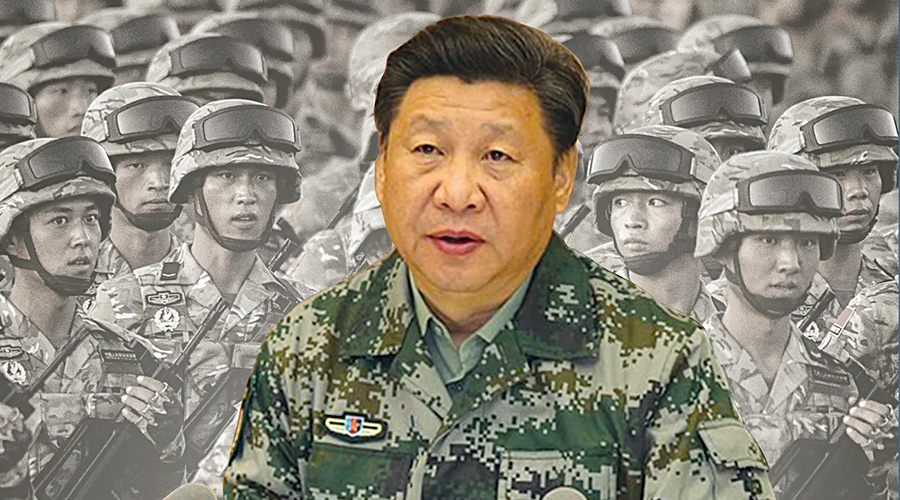
China’s new defence law allows mobilisation of civilian resources during war
Summarized by DistantNews. Read the original for the full story.
At a glance
Analysis
Named sources
Approved/passed
- China’s National People’s Congress approved amendments allowing the government to requisition and control civilian, private-sector and other national resources during war or a major crisis.
- The revised law places the national defence mobilisation system under the leadership of the Chinese Communist Party’s Central Committee and requires sectors such as transport, telecommunications, hospitals and food supplies to prepare specialised teams.
- The law expands the scope of protected interests to include China’s “development interests” and takes effect on Oct. 1.
China has overhauled its national defence mobilisation law for the first time since it was enacted in 2010, giving the government broader powers to draw on civilian and economic resources during war or a major crisis.
The National People’s Congress approved the amendments on Aug. 28, and the revised law will take effect on Oct. 1. It allows authorities not only to requisition resources but also to place them under government control. People or organizations that refuse to comply with orders or deliberately delay implementation could face penalties and fines.
The revised legislation contains 14 chapters and 82 articles. It is intended to help China shift rapidly from a peacetime footing to a wartime state when facing a threat. The law covers the protection of sovereignty, unity, territorial integrity and security, as well as China’s “development interests.”
The new framework also changes the leadership structure. Articles 3 and 17 place the national defence mobilisation system under the Chinese Communist Party Central Committee, replacing the previous leading roles of the State Council and the Central Military Commission. Jamestown Foundation expert Samantha Hoffman said the party would be able to bring together military, civilian, economic and social resources for its strategic objectives.
Transport, postal services, telecommunications, cybersecurity, medical and pharmaceutical supplies, food and engineering sectors must prepare specialised teams and train them for immediate deployment. The law also calls for stronger cybersecurity, the use of advanced technologies, expanded reserve forces, improved recruitment systems and larger stocks of strategically important supplies.
About this summary
Originally published by OnlineKhabar English. Summarized and contextualized automatically by DistantNews, with a note on how the source frames the story. Not individually reviewed before publishing. How this works.
More Stories


From Our Blog

What Gets Lost (and Found) When News Is Translated

The Critical Role of Diaspora Media in Global News

What Travellers Should Know About Countries with Restricted Press

A Digital Nomad's Guide to Following Local News

How the Same Story Looks Different in Different Countries
