


‘China Semiconductor’ Shakes Korean Market: How Big is the CXMT Supply Shock?
Translated from Korean, summarized and contextualized by DistantNews.
At a glance
News
Sources not specified
Context piece
- South Korean stock markets experienced a significant downturn, with the KOSPI index falling over 11% due to concerns over China's semiconductor industry.
- The surge in China's semiconductor ambitions, including the IPO of CXMT and advancements in DUV lithography equipment, has rattled global chip stocks.
- Foreign investors withdrew over 8.2 trillion won from the Korean market in two days, primarily selling off Samsung Electronics and SK Hynix shares.
China's burgeoning semiconductor industry has sent shockwaves through the South Korean stock market, triggering a sharp decline in major tech stocks. The KOSPI index plummeted by over 11% on July 28, driven by investor concerns over the rapid advancements and market impact of Chinese semiconductor firms.
The core of this sharp decline is the China shock.
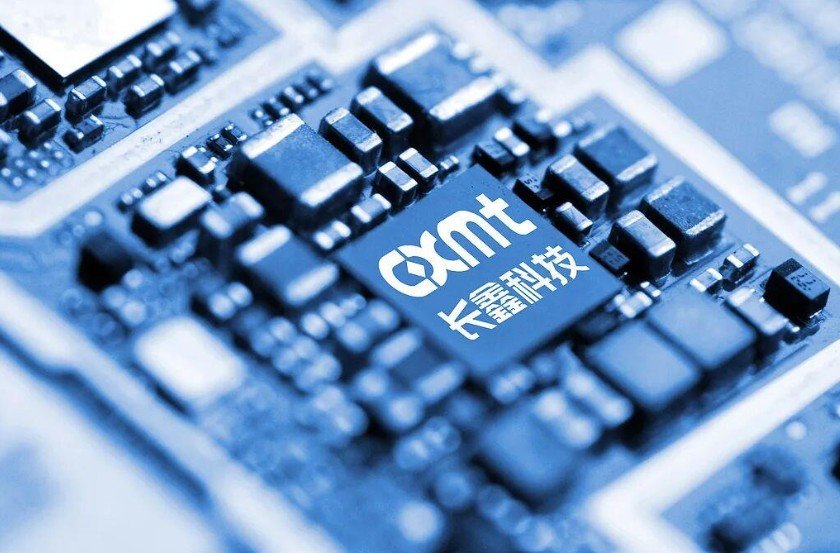
The catalyst for the sell-off appears to be the highly successful initial public offering (IPO) of Changxin Memory Technologies (CXMT), China's fourth-largest DRAM manufacturer. On its debut on the Shanghai Stock Exchange's STAR Market, CXMT's stock surged by 465.82% above its offering price, instantly becoming a major player in the Chinese stock market. This event, coupled with reports of China developing its own Deep Ultraviolet (DUV) lithography equipment for semiconductor manufacturing, has cast a shadow over global semiconductor companies.
Concerns about the expansion of China's memory production capacity and intensified mid-to-long-term competition have been reignited by CXMT's listing.
Global chip stocks felt the impact, with U.S. companies like AMD and Teradyne seeing significant drops, and Micron Technology also declining. Nvidia lost its top market capitalization position to Apple amid the broader downturn. In South Korea, Samsung Electronics and SK Hynix experienced substantial losses, with their shares falling around 13%.
CXMT has a production capacity of 300,000 DRAM wafers per month and held a 15% share of the global market last year.
The situation has led to a significant outflow of foreign capital, with over 8.2 trillion won withdrawn from the Korean market in just two days. Analysts suggest that while the actual competitive threat from CXMT might be less immediate, as it's not yet accessible to foreign investors through Stock Connect programs and its production efficiency is lower than Korean counterparts, the psychological impact and supply-demand concerns are substantial. The market's sensitivity to such news is amplified by recent volatility and a general cautious sentiment among investors.
However, its productivity is currently about half that of Korean companies.
DistantNews Editorial
Originally published by Dong-A Ilbo in Korean. Translated, summarized, and contextualized by our editorial team with added local perspective. Read our editorial standards.
More Stories



From Our Blog

What Gets Lost (and Found) When News Is Translated

The Critical Role of Diaspora Media in Global News

What Travellers Should Know About Countries with Restricted Press

A Digital Nomad's Guide to Following Local News

How the Same Story Looks Different in Different Countries
