

China Unveils AI System for Coordinating Large-Scale Aerial Attacks
Translated from Korean, summarized and contextualized by DistantNews.
At a glance
News
Named sources
New plan
- The Chinese military has revealed an AI-powered system designed to coordinate large-scale aerial attacks involving hundreds of targets and dozens of aircraft.
- The 'Intelligent Attack Planning System' assists commanders and pilots in prioritizing targets, coordinating assaults, and assigning missions.
- This development signifies China's push to integrate advanced technology into its military operations, enhancing combat efficiency and systematic warfare capabilities.
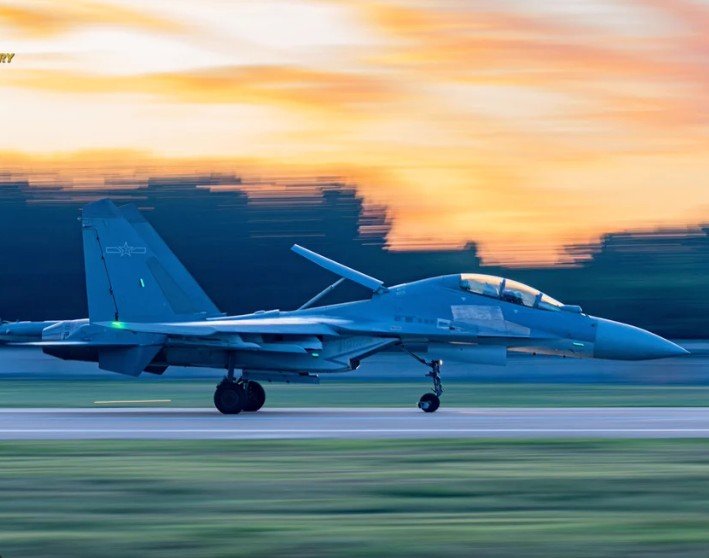
China's military has unveiled an advanced artificial intelligence system aimed at revolutionizing the coordination of large-scale aerial combat operations. Dubbed the 'Intelligent Attack Planning System,' this AI tool assists commanders and pilots in prioritizing targets, synchronizing attacks, and assigning specific missions to various units. The system has reportedly been used in multiple operations, showcasing its practical application in modern warfare.
According to a documentary aired on state broadcaster CCTV, the system is crucial for planning combat missions involving over 100 units. It helps manage complex scenarios where hundreds of targets need to be engaged by dozens of aircraft simultaneously. This unprecedented level of AI integration reflects China's commitment to modernizing its armed forces and embracing a concept of 'systematic warfare,' which combines diverse platforms and weapon systems.
The most difficult part is not writing the code or building the model, but thoroughly understanding the logic of the battlefield.
Colonel Deng Jianping, who led the development team, emphasized that the system's core challenge was not in coding but in deeply understanding battlefield logic. The system analyzes the entire attack process, considering factors like target selection, firepower, penetration capabilities, and damage assessment. This comprehensive approach allows for rapid decision-making in high-speed, dynamic combat environments where traditional calculation methods would fall short.
The system's capabilities were demonstrated through test footage showing missiles launched from multiple platforms hitting land and sea targets. Colonel Deng stated that during large-scale air force exercises, more than 100 tactical units relied on the system's plans to coordinate attacks and achieve precise timing. This advancement aligns with President Xi Jinping's directive to enhance the military's application of intelligent technologies and build sophisticated intelligent military systems.
In large-scale air force exercises, more than 100 tactical units relied on the system's plans to coordinate attacks and achieve split-second timing.
DistantNews Editorial
Originally published by Dong-A Ilbo in Korean. Translated, summarized, and contextualized by our editorial team with added local perspective. Read our editorial standards.
More Stories


From Our Blog

What Gets Lost (and Found) When News Is Translated

The Critical Role of Diaspora Media in Global News

What Travellers Should Know About Countries with Restricted Press

A Digital Nomad's Guide to Following Local News

How the Same Story Looks Different in Different Countries
