


Chinese AI models at the centre of growing divide in Silicon Valley
Summarized and contextualized by DistantNews.
At a glance
News
Named sources
Context piece
- A growing divide has emerged in Silicon Valley over artificial intelligence, with Washington considering restrictions on Chinese AI companies.
- US officials suspect some Chinese AI models may have been developed using stolen American technology, particularly through a technique called distillation.
- The potential curbs are splitting the US tech industry, with some startups arguing that restricting access to Chinese models could stifle innovation and increase costs.
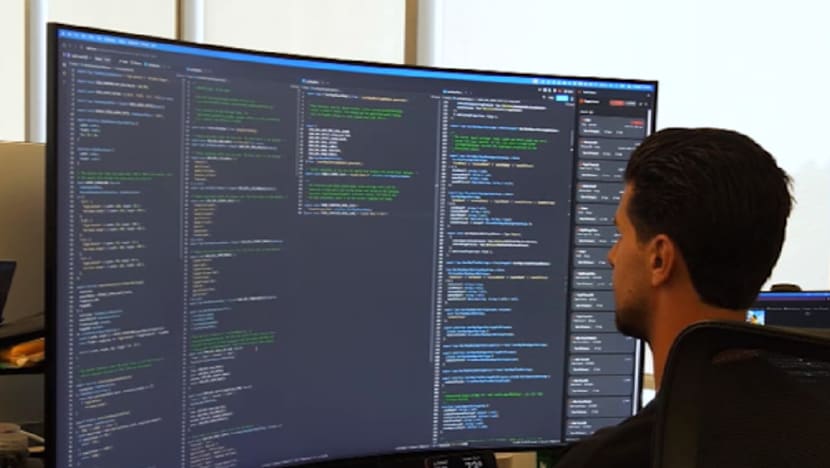
The intensifying technology rivalry between the United States and China has spilled into the artificial intelligence arena, creating a significant rift within Silicon Valley. Washington is actively considering measures to restrict Chinese AI firms and their rapidly advancing models.
It's important that we think of it as an ecosystem and not, this is a Chinese model, this is an American model.
Concerns have been raised by US officials regarding the development of popular AI models like DeepSeek, Alibaba’s Qwen, Z.ai’s GLM, and Moonshot AI's Kimi. Reports suggest that some of these models might have been created using technology illicitly copied from American companies, often through a process known as "distillation." This technique involves one AI model learning from another, and US authorities allege Chinese firms have employed it at scale to replicate proprietary American systems.
Beijing has strongly refuted these accusations, with China's Ministry of Commerce stating that the US claims "lack factual basis and legal grounds" and vowing to "firmly safeguard its legitimate and lawful rights and interests." Despite these denials, the US government is contemplating sanctions and trade restrictions, which could include banning or limiting access to foreign-made open-weight AI models.
(It) would channel all of the demand for AI into a handful of closed-weight companies. That will absolutely escalate prices.
This potential crackdown is dividing the US technology sector. Companies like Replit, a software development platform, see engineers working fluidly with both US and Chinese AI models. Replit CEO Amjad Masad advocates for viewing AI as a global ecosystem rather than strictly by national origin. Similarly, the Little Tech Association has urged the Trump administration against blocking access to Chinese open-weight AI models, warning that such a move would concentrate power in a few companies, escalate prices, and hinder innovation.
If you're one of these companies that made the models (that) are being stolen, you (will) have a huge problem with this.
DistantNews Editorial
Originally published by CNA. Summarized and contextualized by our editorial team with added local perspective. Read our editorial standards.
More Stories


From Our Blog

What Gets Lost (and Found) When News Is Translated

The Critical Role of Diaspora Media in Global News

What Travellers Should Know About Countries with Restricted Press

A Digital Nomad's Guide to Following Local News

How the Same Story Looks Different in Different Countries
