

Chinese Chairman Fires Employee for Snubbing Mother at Wedding
Translated from Korean, summarized and contextualized by DistantNews.
At a glance
News
Sources not specified
Context piece
- A Chinese company chairman fired an employee for not inviting his mother to his wedding, citing filial piety as a fundamental human virtue.
- The chairman, Cui Feijun, recounted the incident during a summer internship program, emphasizing the importance of respecting parents.
- While many supported the decision as reflecting company values, some questioned an employer's right to intervene in an employee's personal morality.
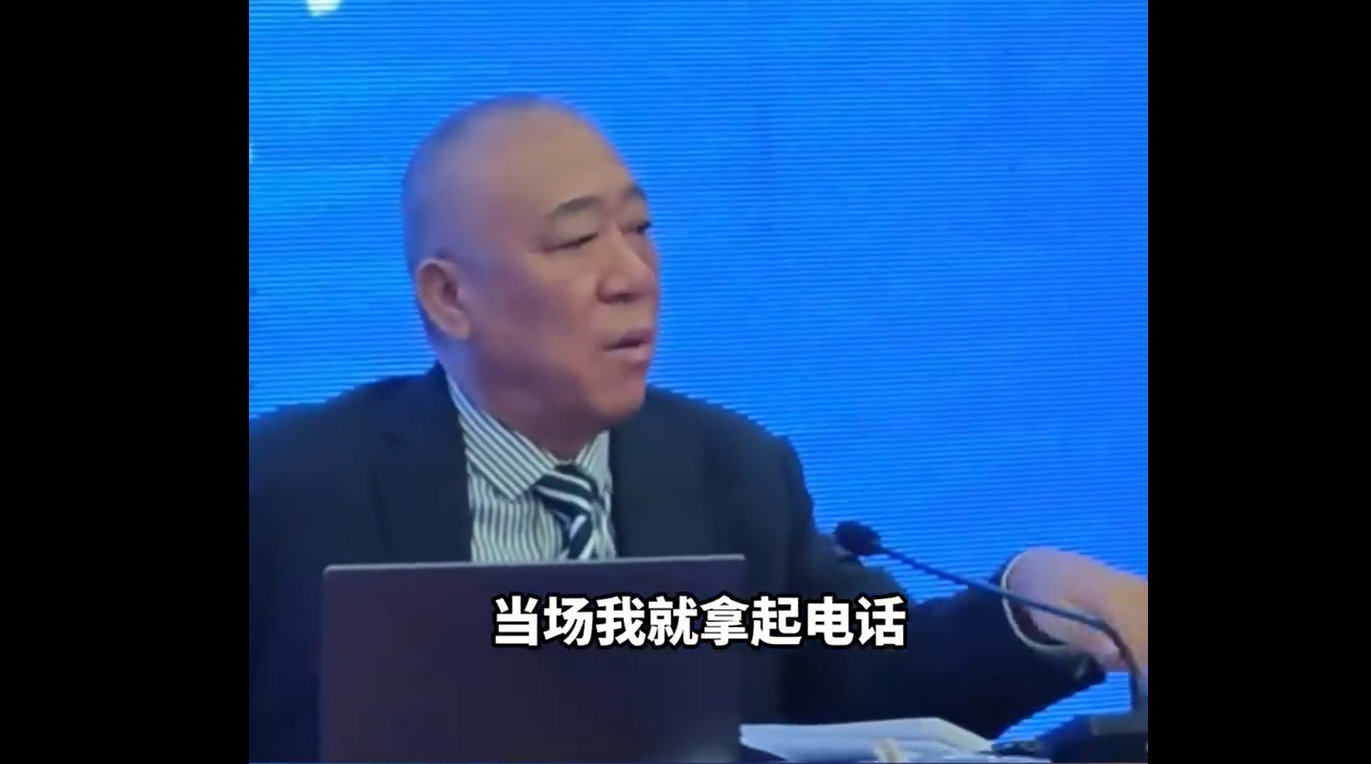
Cui Feijun, the founder of Henan Mine Crane in China, has sparked debate after firing an employee for not inviting his mother to his wedding. The incident came to light during a summer internship and training program for employees' children, where Cui emphasized the importance of filial piety, stating, "Respecting parents is the basic requirement for being a proper person."
Respecting parents is the basic requirement for being a proper person.
Cui recounted how he learned the employee had excluded his mother from his wedding. He confronted the employee, asking if it was right to treat the mother who raised him alone after his father's death in this manner. The employee was subsequently fired and, after failing to find other work, pleaded for his job back, kneeling at the company. Cui refused reinstatement but hired the employee's mother into the company's logistics department under the same salary conditions.
Is it right to treat the mother who raised him alone after his father's death in this manner?
The story quickly spread online in China, with a majority of netizens supporting Cui's decision. They viewed the dismissal as a justifiable management decision reflecting the company's values. One commenter stated, "Work can be taught, but gratitude and filial piety are the most basic virtues of a human being." However, a minority raised concerns about whether employers should intervene in employees' personal morality, with one user arguing, "The chairman should not be a moral judge."
Work can be taught, but gratitude and filial piety are the most basic virtues of a human being.
Cui Feijun is also known for his philanthropy. He has been called 'China's most generous chairman' after preparing 60 million yuan (approximately $8.5 million USD) in cash bonuses for employees at a company event in February. His total year-end bonuses exceeded 180 million yuan (over $25 million USD). Since 2004, he has also provided over 35 million yuan (about $5 million USD) in scholarships to more than 4,800 low-income university students.
The chairman should not be a moral judge.
DistantNews Editorial
Originally published by Dong-A Ilbo in Korean. Translated, summarized, and contextualized by our editorial team with added local perspective. Read our editorial standards.
More Stories



From Our Blog

What Gets Lost (and Found) When News Is Translated

The Critical Role of Diaspora Media in Global News

What Travellers Should Know About Countries with Restricted Press

A Digital Nomad's Guide to Following Local News

How the Same Story Looks Different in Different Countries
