


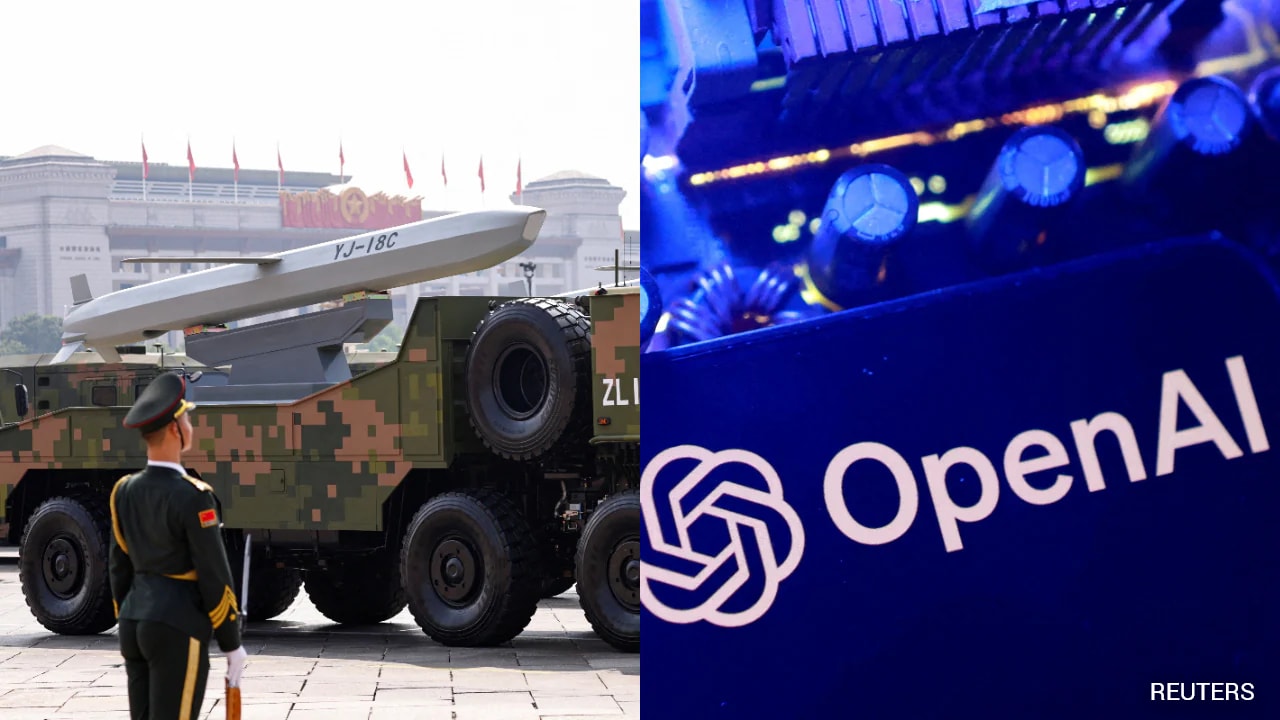
Chinese Researchers Used OpenAI, Anthropic Models To Train Domestic AI: Report
Summarized and contextualized by DistantNews.
At a glance
News
Sources not specified
Context piece
- Chinese researchers reportedly used models from OpenAI and Anthropic to train domestic AI systems.
- The method involved "model distillation," where outputs from powerful AI are used to train smaller, localized models.
- This technique allows for the development of specialized AI that can be deployed without direct reliance on the original large models.
Chinese researchers have reportedly utilized artificial intelligence models developed by OpenAI and Anthropic to train their own domestic AI systems, according to recent documents. This practice highlights a sophisticated approach to AI development within China.
The core technique employed is known as "model distillation." This process involves using the outputs generated by large, powerful AI models, such as those from OpenAI and Anthropic, as training data for smaller, more specialized models. These smaller models are designed to be deployed locally, offering greater efficiency and control.
Model distillation allows developers to capture the capabilities of extensive AI systems and transfer them into more compact architectures. This is particularly useful for creating AI applications that can run on devices with limited computational resources or in environments where continuous access to large, cloud-based models is not feasible. The use of this technique suggests a strategic effort by Chinese researchers to leverage existing advanced AI technologies to accelerate their own domestic AI capabilities.
While the report does not specify which Chinese institutions or companies are involved, the widespread use of model distillation indicates a significant trend in the country's AI development landscape. This approach enables the creation of tailored AI solutions for various applications, potentially without the direct, ongoing reliance on the original foreign-developed models.
DistantNews Editorial
Originally published by NDTV. Summarized and contextualized by our editorial team with added local perspective. Read our editorial standards.
More Stories


From Our Blog

What Press Freedom Means for the News You Read

What Gets Lost (and Found) When News Is Translated

The Critical Role of Diaspora Media in Global News

What Travellers Should Know About Countries with Restricted Press

A Digital Nomad's Guide to Following Local News
