


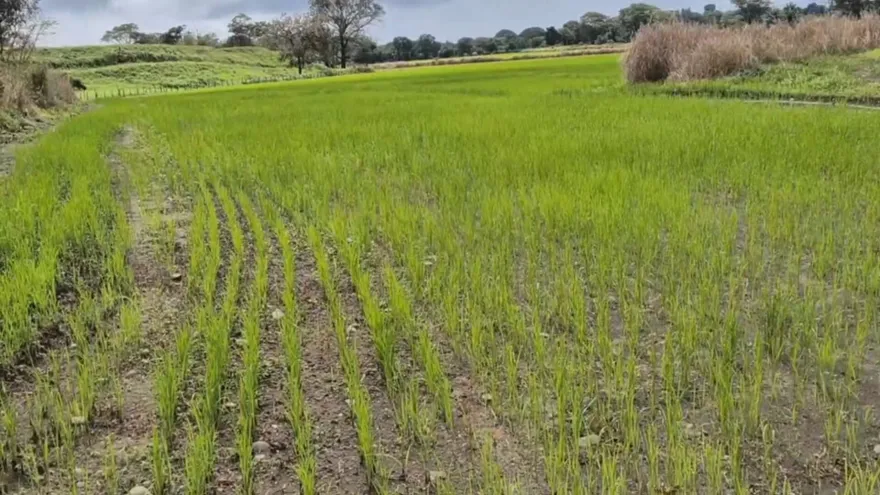
Chiriquí Producers Warn of Possible Rice Supply Crisis Amid Import Delays
Translated from Spanish, summarized and contextualized by DistantNews.
At a glance
News
Named sources
Context piece
- Panamanian rice producers warn of a potential supply crisis if authorized imports are delayed and national production is further impacted by climate conditions.
- El Niño is expected to reduce the planted area and national rice yield, leaving the country reliant on imports to meet demand until October.
- Producers are urging timely decisions on imports and support to address rising production costs and climate-related losses.
Panama faces a looming rice supply shortage, with producers warning that delays in crucial imports and ongoing climate challenges could lead to a crisis. The national inventory is only sufficient to meet demand until early October, making timely arrivals of imported grain essential.
If these imports are delayed, we could face a crisis. But also, if the rice to be harvested in August and September shows very low yields due to the climate, we could face problems with the country's supply.
Producers highlight that the El Niño phenomenon is significantly impacting national production. They anticipate that the goal of planting 90,000 hectares will not be met, with cultivated areas likely to be around 60,000 hectares. This reduction in domestic output, coupled with potential delays in imports scheduled for late July and August, creates a precarious situation.
Carlos Araúz of the Chiriquí Rice Producers Association emphasized the dual threat: "If these imports are delayed, we could face a crisis. But also, if the rice to be harvested in August and September shows very low yields due to the climate, we could face problems with the country's supply."
We appeal for the best decisions to be made in a timely manner, both to guarantee the supply of rice that the country needs, whether with the national harvest or with the imports that must be made.
The sector is also grappling with severe economic difficulties. Droughts have already caused crop losses in Chiriquí province, and other areas will see considerably reduced yields. Combined with the escalating costs of production inputs, producers are anticipating a particularly challenging year marked by substantial financial losses.
It is shaping up to be a year in which producers will have many losses and will be in an extremely difficult situation due to these two factors: the climate and the rise in production costs of inputs.
DistantNews Editorial
Originally published by TVN Panamá in Spanish. Translated, summarized, and contextualized by our editorial team with added local perspective. Read our editorial standards.
More Stories
From Our Blog

What Gets Lost (and Found) When News Is Translated

The Critical Role of Diaspora Media in Global News

What Travellers Should Know About Countries with Restricted Press

A Digital Nomad's Guide to Following Local News

How the Same Story Looks Different in Different Countries
