


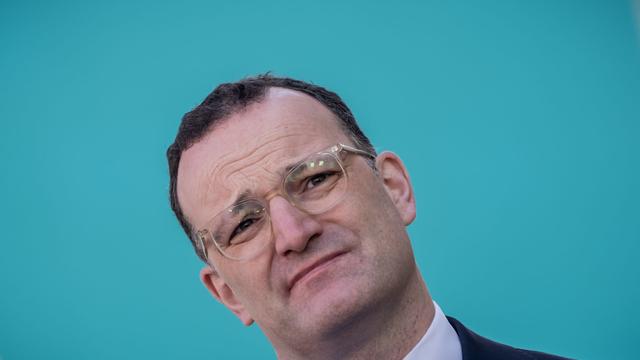
Churches Criticize German Politician Spahn Over Surrogacy Announcement
Translated from German, summarized and contextualized by DistantNews.
At a glance
News
Named sources
Under investigation
- German conservative leader Jens Spahn faces criticism from churches and his own party after announcing he and his husband became parents via a surrogate in the US.
- Critics accuse Spahn of hypocrisy, as surrogacy is illegal in Germany and his party opposes its legalization.
- Spahn has deferred decisions about his political future to his parliamentary group, which will discuss the matter in September.
Jens Spahn, a prominent figure in Germany's conservative CDU party, is embroiled in controversy following the announcement that he and his husband, Daniel Funke, have become parents through surrogacy in the United States. The news has drawn sharp criticism from both religious institutions and within Spahn's own political ranks.
If now, of all people, a politician makes it public that he has used surrogacy abroad, it is also about double standards and credibility.
Ernst-Wilhelm Gohl, the state bishop of the Evangelical State Church in Württemberg, voiced strong disapproval, highlighting Germany's clear ban on surrogacy. Gohl stated that a politician publicly acknowledging the use of surrogacy abroad raises questions of "double standards and credibility." Similar sentiments were echoed by Passau Bishop Stefan Oster, who called it a "real scandal" for a high-profile politician to "consciously violate the laws of the country and the fundamental principles of his own party" for personal desires, while also promoting surrogacy.
If a prominent CDU politician consciously violates the laws of the country and the fundamental principles of his own party in this matter, which is so important for our image of humanity, to fulfill his own wishes - and even promotes surrogacy positively - I consider that a real scandal.
The core of the criticism centers on perceived hypocrisy: Spahn is accused of utilizing a service abroad that is illegal in Germany and that his own party, the CDU, officially opposes legalizing. This has led to calls for his resignation from within the CDU itself. Daniel Peters, the CDU leader in Mecklenburg-Vorpommern, declared Spahn "no longer tenable" as the leader of the CDU/CSU parliamentary group.
Jens Spahn is no longer tenable as chairman of the CDU parliamentary group and must resign.
Spahn himself has indicated that the decision regarding his political future rests with the CDU and CSU parliamentary group. He stated he would discuss the matter with the group when they reconvene in September. While the CDU leadership, including Chancellor Friedrich Merz, has acknowledged the situation, the party's presidium is expected to address the issue at its upcoming meeting. The controversy puts Spahn's leadership position under significant pressure as the party grapples with the implications of his personal choices versus his political stance.
Ultimately, only the parliamentary group can decide how things will proceed.
DistantNews Editorial
Originally published by Die Zeit in German. Translated, summarized, and contextualized by our editorial team with added local perspective. Read our editorial standards.
More Stories



From Our Blog

What Gets Lost (and Found) When News Is Translated

How the Same Story Looks Different in Different Countries

The Critical Role of Diaspora Media in Global News

What Travellers Should Know About Countries with Restricted Press

A Digital Nomad's Guide to Following Local News
