

CIA Chief’s Moscow Talks Were Aimed at Easing Tensions, Lithuania Says
Translated from English and summarized by DistantNews. Read the original for the full story.
At a glance
News
Named sources
Ongoing story
- Lithuanian President Gitanas Nausėda said Washington told him that CIA Director John Ratcliffe’s recent Moscow meeting achieved its stated goal of reducing regional tensions.
- The unannounced visit prompted speculation, while U.S. media reported that Ratcliffe warned Russia against attacking NATO allies, a claim the Kremlin denied.
- Nausėda said the regional security situation remains tense but has not recently worsened dramatically, as Baltic states and Poland remain concerned about possible Russian hybrid actions.
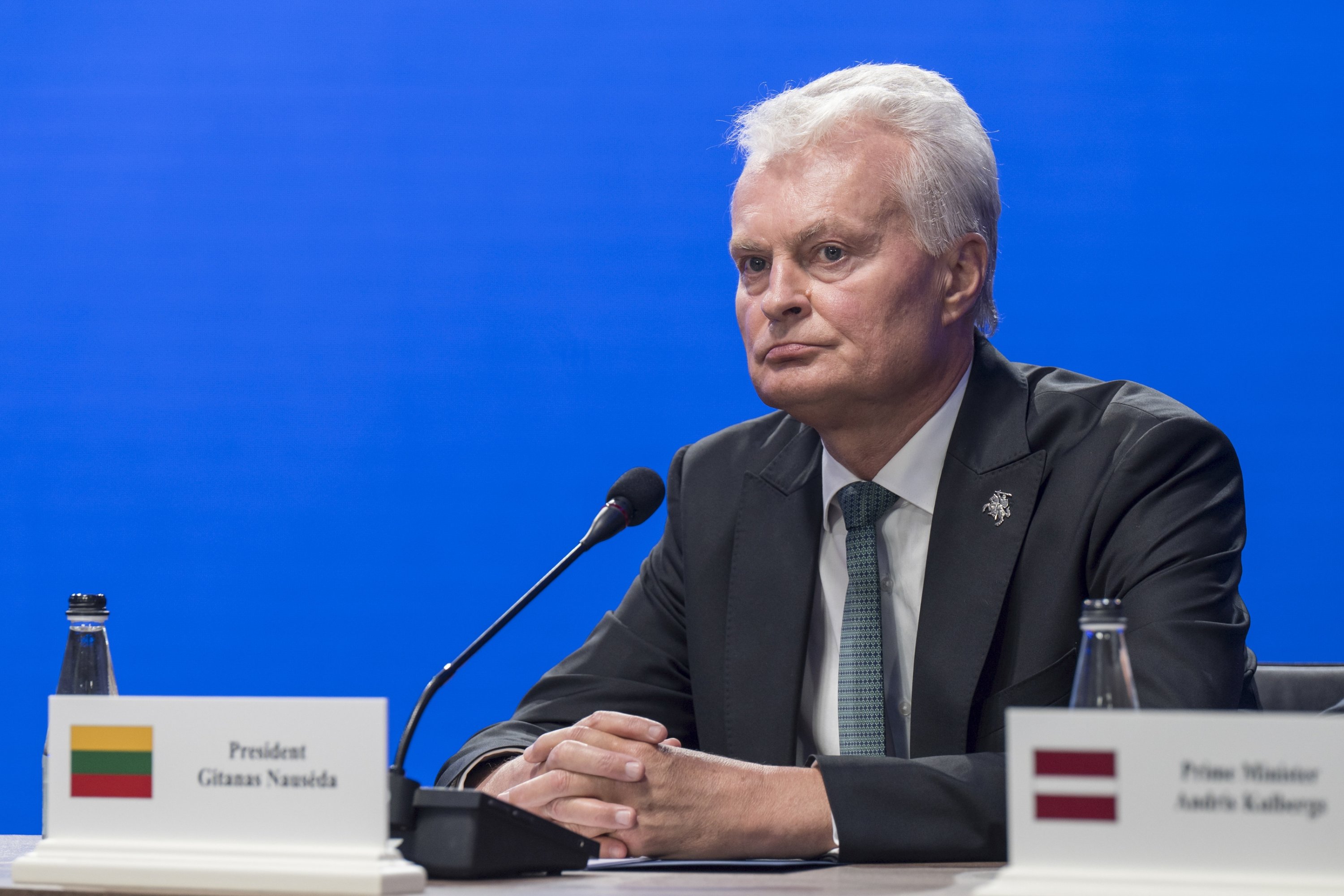
Lithuanian President Gitanas Nausėda says John Ratcliffe’s unannounced trip to Moscow was intended to lower tensions, offering one of the few public descriptions of a meeting that Washington and Moscow have otherwise left largely unexplained.
Nausėda said Washington had briefed him on the CIA director’s talks and that the meeting achieved its stated objectives. "I can say at this stage that the meeting achieved its stated objectives, and it was aimed at reducing tensions in the region," he said in Vilnius. He added: "I very much hope that this message reached the Kremlin regime in good time."
I can say at this stage that the meeting achieved its stated objectives, and it was aimed at reducing tensions in the region.
The visit last week generated international speculation because little was officially confirmed afterward. U.S. media, citing unnamed sources, reported that Ratcliffe warned Russia against attacking NATO members during a Wednesday meeting. The Kremlin rejected those reports and blamed the West.
I very much hope that this message reached the Kremlin regime in good time.
Nausėda said the meeting had not happened by chance and was intended to deliver messages that needed to be conveyed, but he cautioned against placing too much weight on it. He said regional security remained tense, although it had not deteriorated dramatically in recent weeks.
Lithuania, the other Baltic states and Poland remain concerned that Russia could increasingly provoke NATO members because of difficulties in its war in Ukraine. Lithuania has warned of possible sabotage and hybrid attacks against critical infrastructure and recently increased security at key transport and energy facilities.
We should not hide the fact that the meeting did not come about by chance and that the intention was to convey certain messages that had to be conveyed at this point in time.
About this summary
Originally published by Daily Sabah in English. Translated, summarized, and contextualized automatically by DistantNews, with a note on how the source frames the story. Not individually reviewed before publishing. How this works.
More Stories

From Our Blog

What Gets Lost (and Found) When News Is Translated

The Critical Role of Diaspora Media in Global News

What Travellers Should Know About Countries with Restricted Press

A Digital Nomad's Guide to Following Local News

How the Same Story Looks Different in Different Countries
