


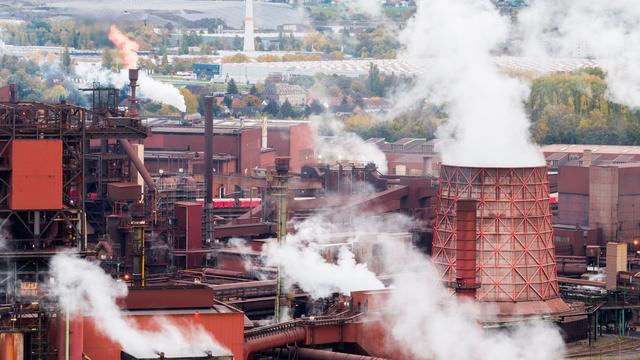
Climate protection: What's next for the EU's greenhouse gas trading system?
Translated from German, summarized and contextualized by DistantNews.
At a glance
News
Sources not specified
Context piece
- The European Union's greenhouse gas trading system (EU ETS) is undergoing review and potential reform.
- The system aims to reduce emissions by setting a cap on emissions and allowing companies to trade allowances.
- Discussions focus on the future effectiveness and scope of the EU ETS in meeting climate goals.
The European Union's cornerstone climate policy, the Emissions Trading System (EU ETS), is under scrutiny as policymakers consider its future direction. Established to curb greenhouse gas emissions, the EU ETS operates on a cap-and-trade principle. It sets a limit on the total amount of greenhouse gases that can be emitted by installations covered by the system. Companies receive or buy emission allowances, which they can trade if they need more or have surplus allowances.
The system's effectiveness in driving down emissions has been a subject of ongoing debate and adjustment since its inception. As the EU strives to meet increasingly ambitious climate targets, particularly under the European Green Deal, the EU ETS is seen as a critical tool. However, questions remain about its current design, the appropriate level of the emissions cap, and the potential need for expansion to cover more sectors or gases.
Discussions surrounding the future of the EU ETS often revolve around ensuring its robustness and fairness. This includes considerations of carbon leakage – the risk that companies might relocate production to countries with less stringent climate policies – and the potential impact on industrial competitiveness. Policymakers are weighing various options for reform, which could include tightening the cap, adjusting the scope of covered sectors, or enhancing market stability mechanisms.
The ongoing review aims to ensure the EU ETS remains a powerful and efficient instrument for achieving the bloc's climate objectives. The outcome of these deliberations will shape the future of carbon pricing in Europe and significantly influence the continent's transition towards climate neutrality.
DistantNews Editorial
Originally published by Die Zeit in German. Translated, summarized, and contextualized by our editorial team with added local perspective. Read our editorial standards.
More Stories

From Our Blog

What Gets Lost (and Found) When News Is Translated

How the Same Story Looks Different in Different Countries

The Critical Role of Diaspora Media in Global News

What Travellers Should Know About Countries with Restricted Press

A Digital Nomad's Guide to Following Local News
