



CNA Explains: What is a heat dome? The weather pattern behind Europe's heatwave
Summarized and contextualized by DistantNews.
At a glance
Explainer
Named sources
Context piece
- Europe is experiencing a severe heatwave, with France reporting over 90% of its population affected.
- Authorities in France have confirmed at least 40 deaths linked to the heat since the weekend.
- The heatwave is attributed to an "Omega block" weather pattern, creating a "heat dome" that traps hot air over the region.
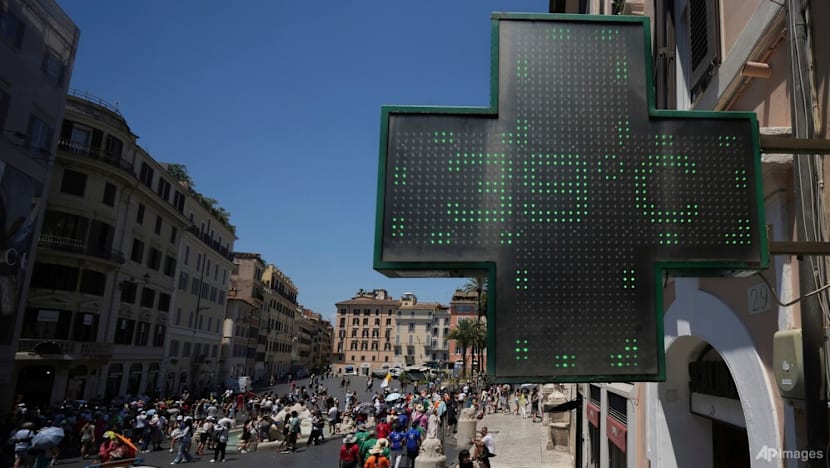
Europe is grappling with a major heatwave, causing widespread disruption and leading to significant loss of life. In France, an overwhelming 90 percent of the population is enduring extreme temperatures, with forecasts predicting highs between 39 and 41 degrees Celsius across much of the country. French authorities reported on Tuesday that at least 40 people have died in incidents connected to the heatwave since the weekend, with many succumbing to drowning in unsupervised waters.
Italy has also been severely impacted, with its health ministry issuing a red heatwave alert for 16 cities, including Milan and Rome. The intense heat is expected to spread eastward into other parts of Europe in the coming days. Meteorologists explain that the current extreme weather is driven by an "Omega block" – a weather pattern shaped like the Greek letter Omega, characterized by a warm air mass in the center and cooler air on its flanks.
This pattern creates a "heat dome," a high-pressure system that traps hot air over western and central Europe. According to Mireia Ginesta, a research associate at the Climate Litigation Lab, this stationary system prevents the hot, humid air from dissipating, causing temperatures to climb relentlessly. The sinking air within the high-pressure system compresses and warms, acting like a lid on a pot and preventing cooling winds or cloud formation, leading to clear, sunny days and persistently high temperatures that can last for weeks.
A heat dome is the atmospheric phenomenon, while a heatwave is the tangible experience of extreme heat on the ground. This weather pattern can also contribute to volatile conditions, with storms expected over the Alps and Apennines, bringing heavy rain, strong winds, and hail alongside the oppressive heat.
High-pressure system means that the air is sinking, and as the air goes down to lower altitudes, it becomes compressed. So the pressure increases and the temperature also increases.
DistantNews Editorial
Originally published by CNA. Summarized and contextualized by our editorial team with added local perspective. Read our editorial standards.
More Stories


From Our Blog

What Gets Lost (and Found) When News Is Translated

The Critical Role of Diaspora Media in Global News

What Travellers Should Know About Countries with Restricted Press

A Digital Nomad's Guide to Following Local News

How the Same Story Looks Different in Different Countries
