


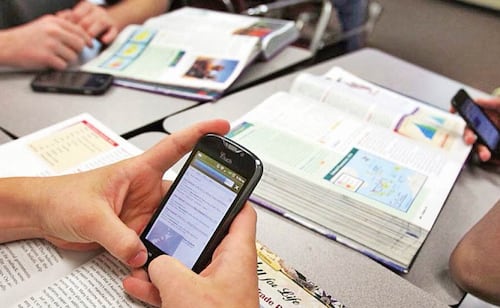
CNDH calls to limit digital devices in classrooms, boost in-person interaction
Translated from Spanish, summarized and contextualized by DistantNews.
At a glance
News
Official statement
Context piece
- Mexico's National Human Rights Commission (CNDH) urges limiting digital devices in classrooms and prioritizing in-person learning.
- The CNDH warns of risks associated with excessive digital use, including social isolation and negative impacts on mental health.
- The commission advocates for promoting non-digital activities to foster integral development and emphasizes that screens cannot replace direct human interaction.
Mexico's National Human Rights Commission (CNDH) is calling for government policies to create safe urban spaces and well-equipped physical schools. A key recommendation is to limit the use of digital devices within classrooms, shifting the focus towards experiential learning for children and adolescents.
The CNDH acknowledges the fundamental role of information and communication technologies in young people's lives, facilitating access to knowledge and communication. However, the commission expresses serious concern over the growing exposure to digital environments, which can pose significant risks to safety, integral development, mental health, and overall well-being.
Excessive or improper use of digital technologies, the CNDH warns, can lead to social isolation, damage family and community interactions, and negatively affect physical and mental health. Reported consequences include stress, anxiety, depression, sleep disturbances, and addictive behaviors related to electronic devices and digital platforms.
To counter these risks, the CNDH stresses that protecting young people in digital spaces is a shared responsibility among families, educational institutions, government authorities, tech companies, and the public. The commission advocates for promoting activities outside of screens, such as play, sports, cultural events, and artistic endeavors, which are crucial for physical, emotional, cognitive, and social development. These activities strengthen socio-emotional skills and foster creativity, self-esteem, discipline, teamwork, solidarity, and respect for diversity.
Furthermore, the CNDH asserts that in-person presence is indispensable for the integral development of children and adolescents. The right to care includes recognizing that screens cannot substitute direct human interaction. The developing brain requires three-dimensional stimuli and genuine emotional connections, and digital confinement can exacerbate social isolation.
DistantNews Editorial
Originally published by El Universal in Spanish. Translated, summarized, and contextualized by our editorial team with added local perspective. Read our editorial standards.
More Stories



From Our Blog

What Press Freedom Means for the News You Read

What Gets Lost (and Found) When News Is Translated

The Critical Role of Diaspora Media in Global News

What Travellers Should Know About Countries with Restricted Press

A Digital Nomad's Guide to Following Local News
