


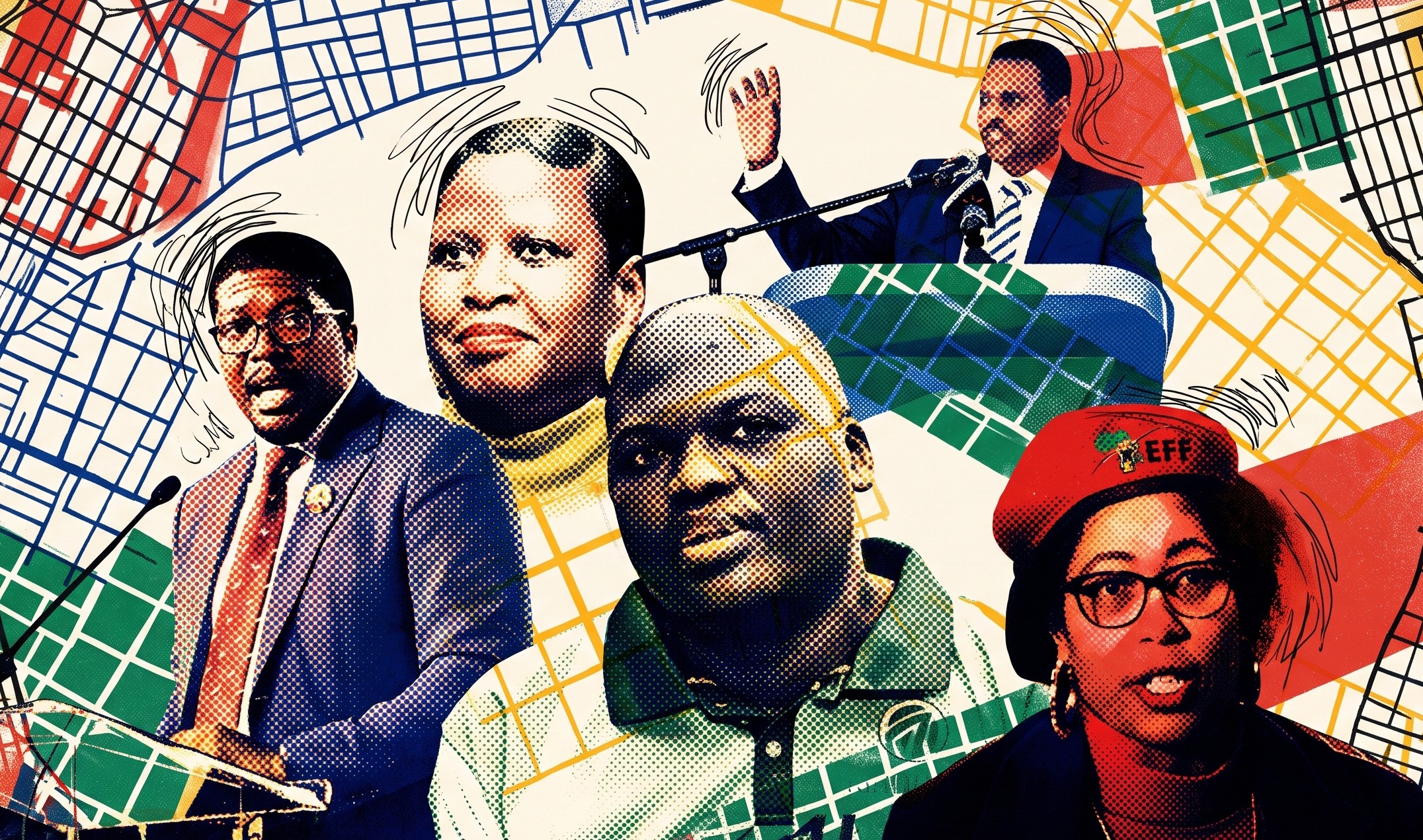

Collaborative governance: Election buzzword or game changer for municipalities?
Summarized by DistantNews. Read the original for the full story.
At a glance
Analysis
Sources not specified
Context piece
- The article argues that improving children’s development outcomes requires municipalities, government departments, communities, businesses and civil society to work as a connected system.
- It says South Africa’s public participation model has too often stopped at consultation instead of leading to joint planning and implementation.
- An Eastern Cape community illustrates the proposed approach by bringing diverse local actors together to identify barriers to children entering Grade R healthy, safe and ready to learn.
South Africa’s local government elections are only months away, and the question facing municipalities is larger than whether individual services work. The article asks whether institutions can work together to create neighbourhoods where children can thrive.
Municipalities shape those conditions alongside national and provincial governments, families, non-governmental organisations, businesses and other community institutions. Yet even when each organisation performs its role reasonably well, the outcomes for children can still fall short. The problem, the article argues, lies in the gaps between the parts of the system.
For decades, South Africa has focused on strengthening individual institutions and programmes, including municipalities, schools, clinics and government departments. That work remains important, but better programmes cannot overcome fragmented systems. Improving human development requires attention to the capability of the entire ecosystem.
The article says collaborative governance has not fulfilled its promise. The draft revised White Paper on Local Government acknowledges this nearly three decades after the original framework was published. Public participation has too often meant consulting communities about a municipality’s service-delivery agenda. Consultation matters, but its value emerges when communities and institutions plan and implement together.
An example comes from a low-income community in the Eastern Cape that wanted to improve early childhood development. Community health workers, early childhood practitioners, officials from the Health and Social Development departments, civil society groups, local businesses and residents gathered around one question: what prevents children from entering Grade R healthy, safe and ready to learn?
Rather than beginning with a predetermined programme, they examined children’s lives and the factors contributing to poor outcomes. The article presents this as the starting point for an ongoing cycle of collective understanding, action, accountability and learning, rather than a single consultation meeting.
About this summary
Originally published by Daily Maverick. Summarized and contextualized automatically by DistantNews, with a note on how the source frames the story. Not individually reviewed before publishing. How this works.
More Stories

From Our Blog

News in Translation: What Gets Lost, and How We Keep the Framing

Diaspora Media: How Communities Follow News From Home

Traveling Where the Press Is Not Free: How to Read the News There

The Digital Nomad's Guide to Local News

The Same Story, Different Countries: How Coverage Changes at the Border
