


Colombia election: Trump poised to regain key ally as Lula risks isolation in South America
Translated from Spanish, summarized and contextualized by DistantNews.
At a glance
News
Named sources
Context piece
- A call between Brazilian presidential candidate Flavio Bolsonaro and Colombian candidate Abelardo De la Espriella aimed to build an anti-leftist front in South America.
- If De la Espriella wins, the U.S. under Trump would regain a key ally, while Brazil's Lula would be isolated.
- This potential shift could disrupt Lula's regional alliances with Mexico and Colombia, impacting his opposition to Trump's security initiative.
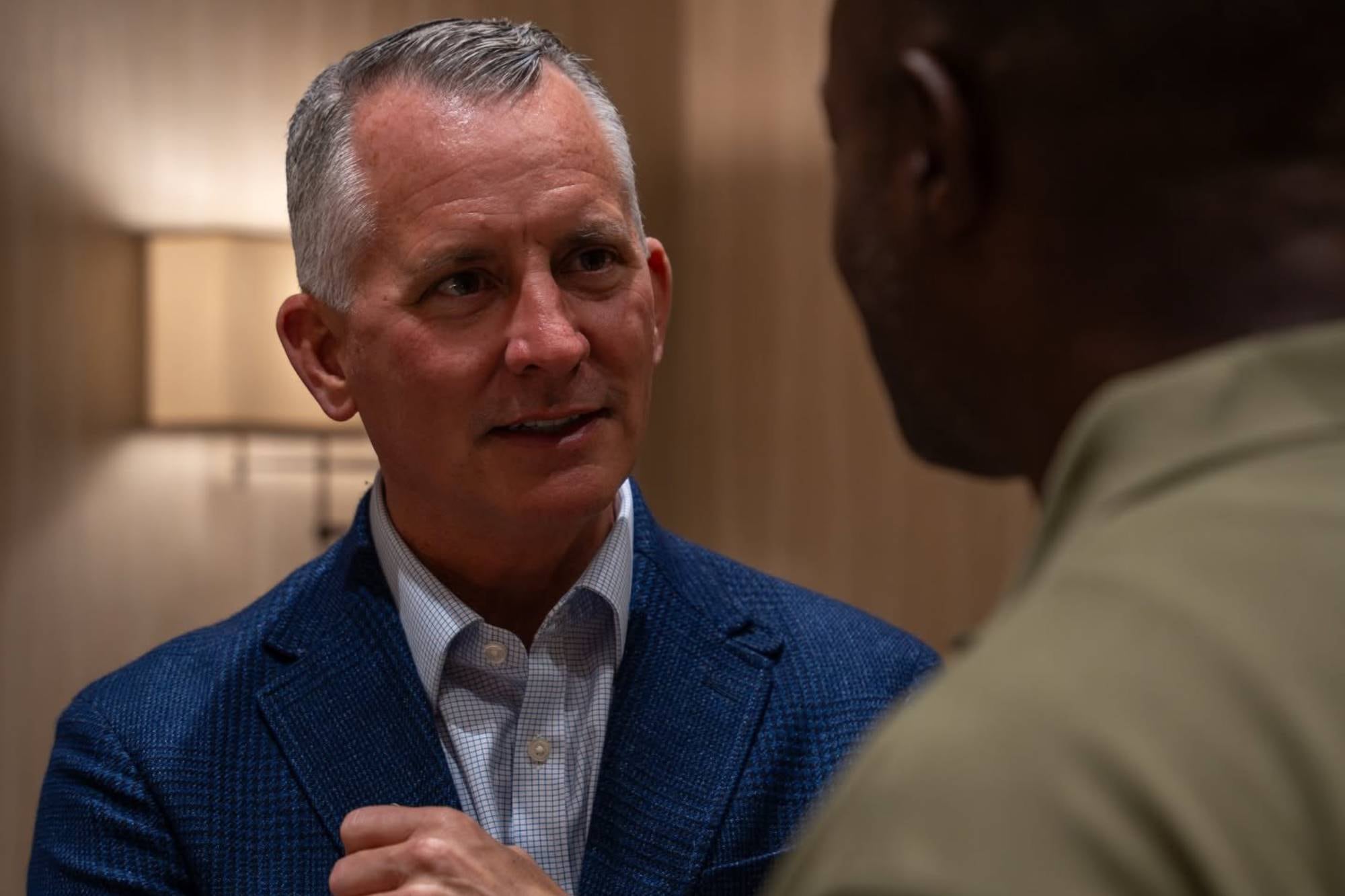
A video call between Brazilian presidential hopeful Flavio Bolsonaro and Colombian candidate Abelardo De la Espriella, initiated by the Bolsonaro family, aimed to forge an anti-leftist alliance in South America. Eduardo Bolsonaro, Flavio's brother, also participated in the call. Following the discussion, De la Espriella, a conservative outsider, publicly referred to Flavio Bolsonaro as the future president of Brazil.
Should De la Espriella win the Colombian presidency against leftist candidate Iván Cepeda, it would signify a significant gain for Donald Trump's United States, securing a crucial ally in the region. Conversely, it would leave Brazil's President Lula da Silva increasingly isolated in South America.
Lula has been building a regional bloc with leaders like Mexico's Claudia Sheinbaum and Colombia's Gustavo Petro, who together opposed Trump's "Shield of the Americas" security initiative. This U.S.-led project aims to bolster regional cooperation against drug trafficking, organized crime, and irregular migration, while also reasserting American influence.
The potential loss of Colombia, following shifts in Chile and Argentina, would leave Lula with only Mexico as a major partner in his regional strategy. Despite differences, Colombia has been a key ally for Brazil due to its strategic location and shared opposition to certain U.S. policies. De la Espriella's potential victory threatens to unravel this alignment.
DistantNews Editorial
Originally published by La Nación in Spanish. Translated, summarized, and contextualized by our editorial team with added local perspective. Read our editorial standards.
More Stories

From Our Blog

What Gets Lost (and Found) When News Is Translated

The Critical Role of Diaspora Media in Global News

What Travellers Should Know About Countries with Restricted Press

A Digital Nomad's Guide to Following Local News

How the Same Story Looks Different in Different Countries
