


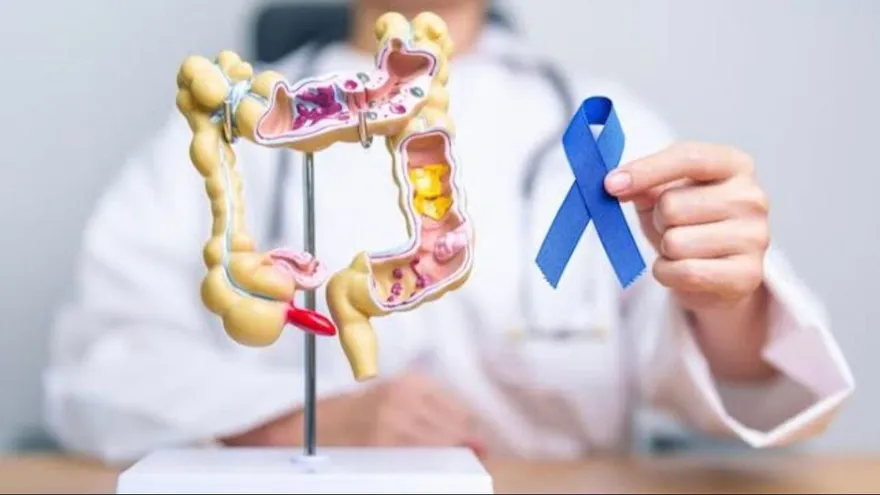
Colon cancer: A silent disease claiming lives in Panama
Translated from Spanish, summarized and contextualized by DistantNews.
At a glance
News
Named sources
Context piece
- Colon cancer remains a significant health challenge in Panama, often developing without early symptoms and leading to many deaths.
- Approximately 800 new cases are diagnosed annually, with around 300 fatalities, making it the third most common cancer in the country.
- Specialists emphasize prevention, early detection, healthy habits, and regular screenings as crucial for successful treatment and reduced mortality.
Colon cancer continues to be a leading cause of death in Panama, posing a significant challenge to the healthcare system due to its often asymptomatic early stages. Specialists stress that prevention and early detection are paramount to improving treatment success rates and lowering mortality. The disease ranks as the third most common cancer in Panama, with roughly 800 new diagnoses and 300 deaths each year.
"The public needs to understand that they must balance their diet and drink water daily, which is a precursor to reducing the risks of colon cancer," explained endoscopist Delavier Diaz. Colon cancer involves the malignant growth of cells in the large intestine. Medical professionals are increasingly concerned by a rise in diagnoses among younger individuals, a trend previously seen mainly in older adults.
Behind the statistics are stories of resilience, like that of Lilia, who overcame breast cancer years ago and has been battling colon cancer for seven years. "I was crazy about my diet, I ate everything, and that's the bad part. I had pains in my appendix but knew it wasn't that, because I had already had surgery. When I had the colon exam, I found small masses and caught it in time," Lilia recounted. Her experience mirrors that of many patients and families navigating long-term medical controls, treatments, and constant follow-ups.
Despite the difficulties, Lilia maintains hope and faces the disease with determination, drawing strength from cherished memories and a resolve not to give up. Experts reiterate the importance of adopting healthy habits, addressing any persistent gastrointestinal symptoms, and undergoing recommended screening tests, particularly for individuals with a family history or other risk factors. Early diagnosis, they emphasize, can be the difference between life and death.
DistantNews Editorial
Originally published by TVN Panamá in Spanish. Translated, summarized, and contextualized by our editorial team with added local perspective. Read our editorial standards.
More Stories


From Our Blog

What Gets Lost (and Found) When News Is Translated

The Critical Role of Diaspora Media in Global News

What Travellers Should Know About Countries with Restricted Press

A Digital Nomad's Guide to Following Local News

How the Same Story Looks Different in Different Countries
