

Colorado River cuts proposed for Arizona, California, Nevada
Translated from English, summarized and contextualized by DistantNews.
At a glance
News
From a news agency
New plan
- Federal officials have proposed mandatory water cuts for Arizona, California, and Nevada from the Colorado River to avert a crisis.
- The plan aims to reduce water usage by up to 3 million acre-feet annually through 2036, impacting agriculture, cities, and tribes.
- The proposal comes after years of state-level deadlock and aims to ensure the river's reliability for millions of users across seven U.S. states, tribal nations, and Mexico.
A federal proposal released Friday outlines mandatory water reductions for Arizona, California, and Nevada from the Colorado River, aiming to prevent a deepening crisis in the vital waterway. The U.S. Bureau of Reclamation's plan spares four other states from immediate cuts, offering flexibility to adjust reductions based on future conditions and allowing more time for states to agree on long-term management.
Under the proposal, the Lower Basin states could collectively reduce their water usage by up to 3 million acre-feet annually through 2036. This amount is roughly equivalent to the combined annual allocation for Arizona and Nevada and is enough to supply more than 25 million people. The specific reductions will be reassessed every two years, contingent on the overall health of the river system.
Interior Secretary Doug Burgum emphasized the department's responsibility to maintain the Colorado River's reliability for the millions who depend on it. The plan divides half the cuts between California, Nevada, and Arizona based on an existing agreement, with the remainder determined by priority water rights, which generally favor California users. Arizona and Nevada have previously faced mandatory cuts, but this proposal signals potentially deeper reductions affecting agriculture, urban water supplies, and tribal communities.
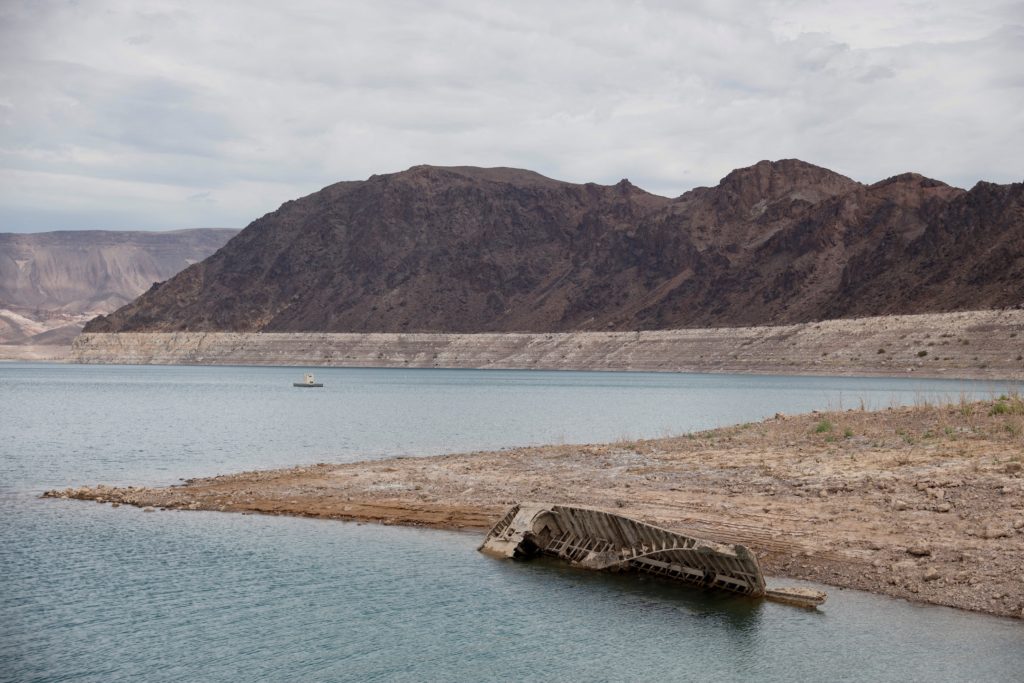
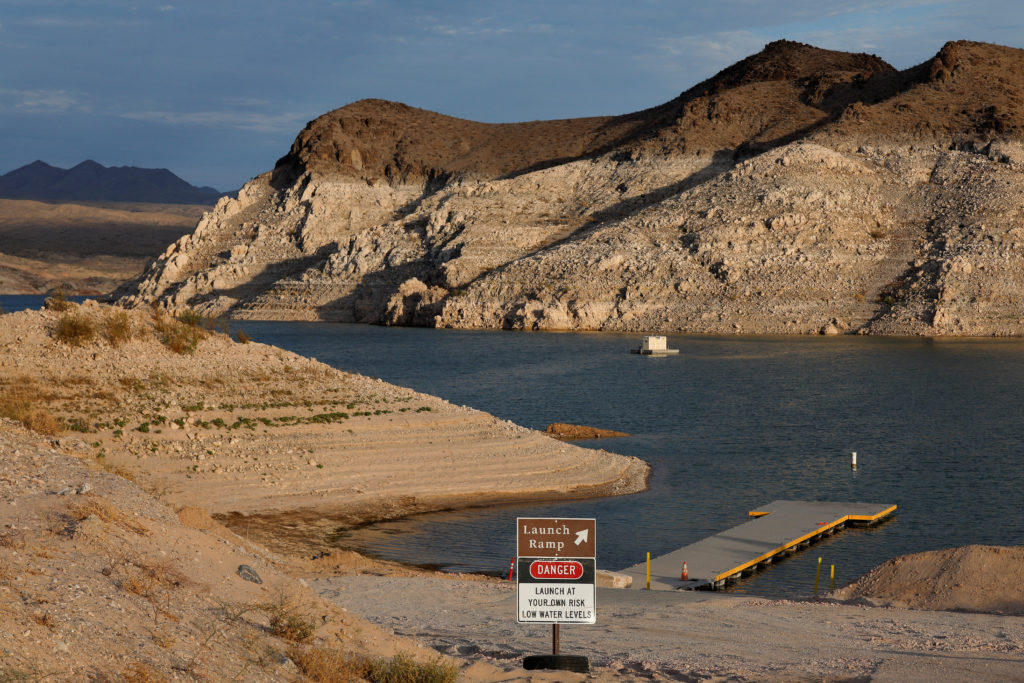
Experts warn that these cuts could lead to increased water prices, greater reliance on groundwater, and the idling of agricultural fields. The proposal emerges after years of stalled negotiations among the states, with threats of litigation if a solution wasn't reached. A historically dry winter has left key reservoirs like Lake Mead and Lake Powell at record low levels, threatening hydropower generation and exacerbating tensions over water allocation among the seven U.S. states, tribal nations, and Mexico that rely on the river.
The Department has a responsibility to ensure the Colorado River system remains reliable and resilient for the millions of Americans, communities and industries that depend on it.
DistantNews Editorial
Originally published by PBS NewsHour in English. Translated, summarized, and contextualized by our editorial team with added local perspective. Read our editorial standards.
More Stories


From Our Blog

How the Same Story Looks Different in Different Countries

What Gets Lost (and Found) When News Is Translated

The Critical Role of Diaspora Media in Global News

What Travellers Should Know About Countries with Restricted Press

A Digital Nomad's Guide to Following Local News
