


Come with me into the strange world of music-based conspiracy theories
Summarized and contextualized by DistantNews.
At a glance
In-depth
Sources not specified
Context piece
- Conspiracy theories offer seductive explanations for complex realities, providing a sense of control and order in a seemingly random universe.
- The internet has amplified the proliferation of fringe ideas, connecting like-minded individuals and strengthening beliefs in various conspiracy narratives.
- The music world is a fertile ground for such theories, with popular examples including the speculation that artist Banksy is Massive Attack member Robert "3D" Del Naja.
Conspiracy theories offer a compelling, albeit often unfounded, framework for understanding a world that can feel chaotic and uncaring. They provide simple explanations for complex or terrible realities, attributing events to malevolent forces that suppress truth and manipulate outcomes for profit. This desire to make sense of the senseless and regain a sense of control is a powerful psychological driver, especially when individuals feel powerless.
Conspiracy theories are seductive things in a complex world. They offer explanations for strange and terrible realities in a seemingly random and uncaring universe.
The internet has significantly amplified the reach and influence of these theories. By connecting like-minded individuals across geographical boundaries, online platforms allow fringe ideas to proliferate and strengthen. This digital connectivity fosters communities of believers, validating their suspicions and making them feel less alone in their perceived understanding of hidden truths, from chemtrails and flat-Earth beliefs to alien encounters and historical event skepticism.
The internet hasn’t helped. Remember when we thought that the greatest impediment to humankind’s intellectual and spiritual evolution was the lack of information? Nope. It wasn’t that. The internet has only allowed fringe ideas to proliferate and strengthen as like-minded conspiracists find each other online.
The music world, with its inherent mystique and larger-than-life personalities, has long been a breeding ground for such theories. One persistent idea suggests that the elusive street artist Banksy is, in fact, Robert "3D" Del Naja, a member of the electronica band Massive Attack. Evidence cited includes Del Naja's early involvement in Bristol's graffiti scene, the correlation between Banksy's artwork appearances and Del Naja's tour schedules, and Del Naja's own ambiguous statements about their connection. While compelling, this theory remains unsubstantiated.
We have a natural desire to make sense of senseless things. We feel powerless when something bad happens, so finding a “reason” becomes paramount. We want to regain control and feel safe again.
Another far-fetched theory posits that Jim Morrison, the iconic frontman of The Doors, did not die in Paris in 1971 but instead faked his death. Proponents suggest he sought to escape the excesses of rock stardom and his personal struggles. The lack of an autopsy and a closed-casket funeral are often cited as evidence, though this remains firmly in the realm of speculation.
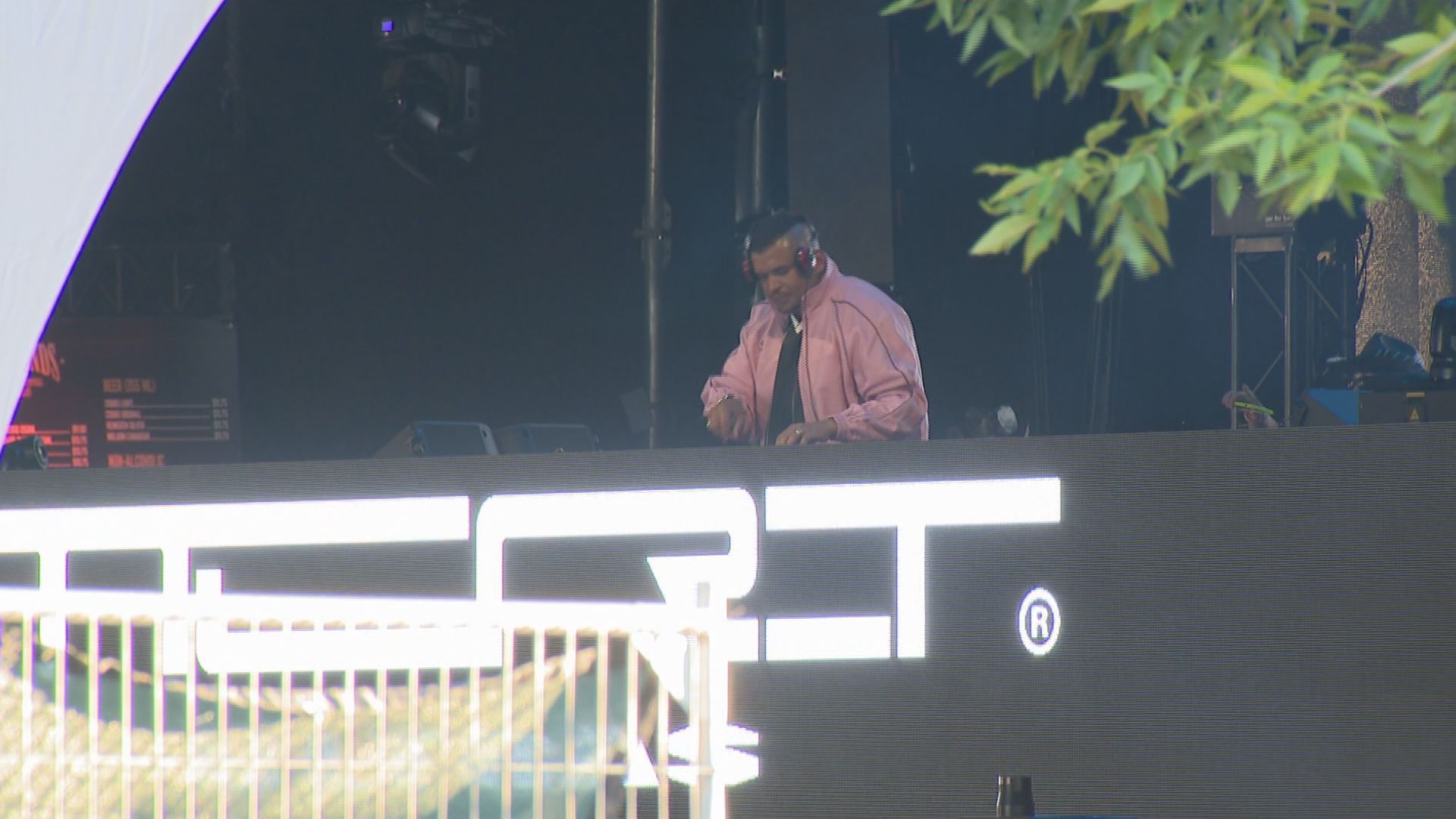
One of the leading theories is that he’s Robert “3D” Del Naja, a member of the British electronica band Massive Attack.
DistantNews Editorial
Originally published by Global News. Summarized and contextualized by our editorial team with added local perspective. Read our editorial standards.
More Stories


From Our Blog

What Gets Lost (and Found) When News Is Translated

The Critical Role of Diaspora Media in Global News

What Travellers Should Know About Countries with Restricted Press

A Digital Nomad's Guide to Following Local News

How the Same Story Looks Different in Different Countries
