


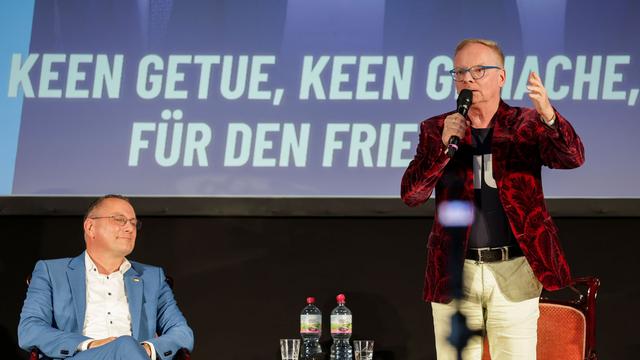
Comedian Steimle signs cease-and-desist after Stauffenberg remark
Translated from German, summarized and contextualized by DistantNews.
At a glance
News
Sources not specified
Outcome reported
- Comedian Uwe Steimle signed a cease-and-desist declaration after a controversial statement at an AfD event.
- Steimle's remarks compared Friedrich Merz to Claus Schenk Graf von Stauffenberg, a Hitler assassination plotter.
- Prosecutors had opened an investigation into Steimle for disturbing public peace.
German comedian Uwe Steimle has signed a declaration to cease and desist following controversial remarks made at an Alternative for Germany (AfD) party event. His lawyer stated that Steimle signed not because he believed his statement was legally wrong, but because he recognized it had offended people in his profession as a political satirist.
When I see Friedrich Merz, I sometimes wonder, where is Stauffenberg when you really need him?
The controversy stems from Steimle's comment at the event in Dessau-Roßlau, where he said, "When I see Friedrich Merz, I sometimes wonder, where is Stauffenberg when you really need him?" This remark drew sharp criticism from Karl Graf von Stauffenberg, the grandson of the famed Hitler assassination plotter. The grandson called the statement "historical revisionism par excellence" and expressed dismay that his grandfather, who sought to restore "law, order, and freedom," was being dragged through the mud.
Prosecutors in Dessau-Roßlau had initiated an investigation into Steimle for allegedly disturbing public peace by threatening criminal acts. The investigation also considered remarks Steimle made about former Chancellor Angela Merkel. The grandson of Claus Schenk Graf von Stauffenberg acknowledged Steimle's signed declaration but expressed a desire for a public apology, stating that Steimle had threatened an elected federal chancellor.
My grandfather is being dragged through the mud – it is quite dreadful.
Claus Schenk Graf von Stauffenberg was a key figure in the military resistance against Adolf Hitler, most notably for the failed assassination attempt on July 20, 1944. Steimle's comparison invoked this historical context, leading to legal scrutiny and public debate.
I accept Mr. Steimle's statement and welcome that he has signed the cease-and-desist declaration. However, I would have considered a public apology appropriate.
DistantNews Editorial
Originally published by Die Zeit in German. Translated, summarized, and contextualized by our editorial team with added local perspective. Read our editorial standards.
More Stories

From Our Blog

What Gets Lost (and Found) When News Is Translated

How the Same Story Looks Different in Different Countries

The Critical Role of Diaspora Media in Global News

What Travellers Should Know About Countries with Restricted Press

A Digital Nomad's Guide to Following Local News
