


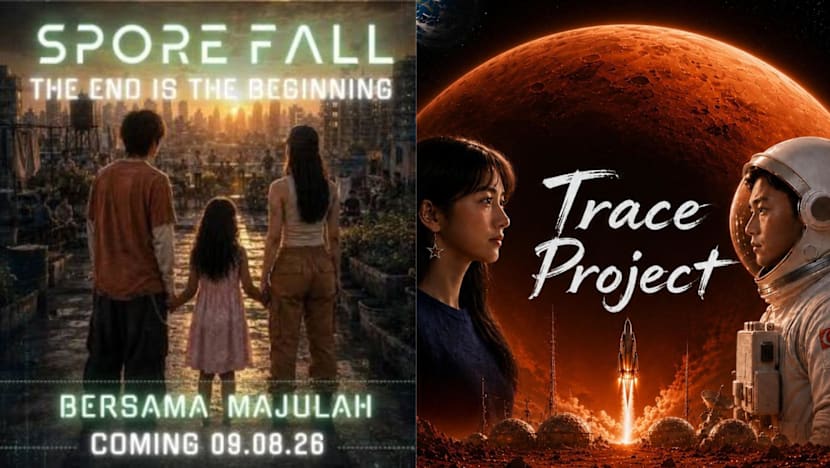
Commentary: AI Changes Film Production, Not What Makes Movies Compelling
Translated from English, summarized and contextualized by DistantNews.
At a glance
Analysis
Named sources
Context piece
- AI is transforming filmmaking processes, but not the core elements that make films compelling.
- Director Phillip Lim argues that the controversy over AI-generated movies misses the point.
- The true value of film lies in storytelling and artistic vision, not the tools used to create it.
The ongoing debate surrounding artificial intelligence in filmmaking, particularly concerning AI-generated local movies, misses a crucial distinction, according to Phillip Lim, director of 'The Teenage Textbook Movie.' Lim contends that while AI is undeniably changing the 'how' of filmmaking, it does not alter the fundamental 'what' that makes a film truly resonant and worthwhile for audiences.
Lim's perspective centers on the idea that AI's impact is primarily on the production process itself. It can streamline tasks, generate visuals, or assist in editing, thereby altering the technical execution of a film. However, he argues, these advancements do not inherently change the essential ingredients of compelling cinema: strong narratives, emotional depth, and unique artistic vision.
The controversy, therefore, should not be about the use of AI as a tool, but rather about whether the resulting films possess the qualities that connect with viewers on a deeper level. Lim suggests that the focus should remain on the storytelling and the creative intent behind the movie, asserting that AI can be a powerful assistant but cannot replace the human element that imbues a film with its lasting value and watchability.
AI is changing how films are made, not what makes them worth watching.
DistantNews Editorial
Originally published by CNA in English. Translated, summarized, and contextualized by our editorial team with added local perspective. Read our editorial standards.
More Stories


From Our Blog

What Gets Lost (and Found) When News Is Translated

The Critical Role of Diaspora Media in Global News

What Travellers Should Know About Countries with Restricted Press

A Digital Nomad's Guide to Following Local News

How the Same Story Looks Different in Different Countries
