

Commentary: AI will change warfare but people remain core to SAF | CNA
Translated from English, summarized and contextualized by DistantNews.
At a glance
News
Named sources
Context piece
- Artificial intelligence is increasingly shaping the future of warfare globally.
- The Singapore Armed Forces (SAF) must prioritize strengthening the relationship between human soldiers and AI systems.
- This human-machine integration is crucial for adapting to evolving defense technologies.
Artificial intelligence is rapidly transforming the landscape of modern warfare, prompting defense forces worldwide to reassess their strategies and technological integration. As AI capabilities advance, the Singapore Armed Forces (SAF) faces the critical task of enhancing the synergy between human personnel and intelligent machines. This evolving dynamic requires a deliberate focus on fostering robust relationships between soldiers and AI systems.
Nicholas Fang, managing director at a defense consultancy, emphasizes that while AI will undoubtedly alter how conflicts are waged, the human element remains central to military effectiveness. The SAF's approach must therefore be geared towards optimizing this human-machine collaboration, ensuring that technological advancements augment, rather than replace, the core competencies of its soldiers.
Successfully navigating this transition involves not only adopting new technologies but also cultivating the necessary skills and understanding among personnel. The SAF's ability to adapt and thrive in this new era of warfare will depend on its capacity to build trust and effective working relationships between its human soldiers and the increasingly sophisticated AI systems they will operate alongside.
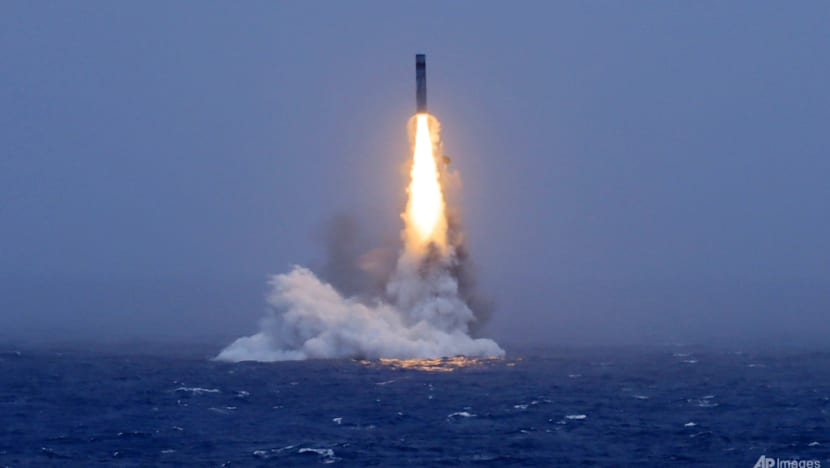
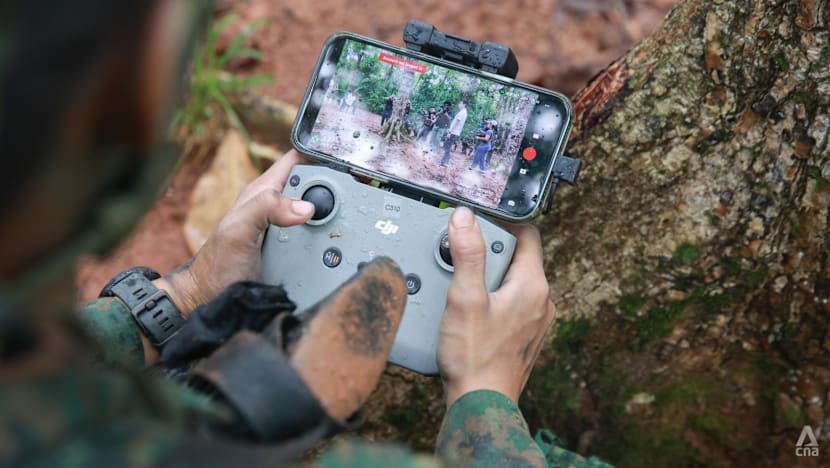
As artificial intelligence shapes warfare development around the world, the SAF must enhance relations between man and machine.
DistantNews Editorial
Originally published by CNA in English. Translated, summarized, and contextualized by our editorial team with added local perspective. Read our editorial standards.
More Stories


From Our Blog

What Gets Lost (and Found) When News Is Translated

The Critical Role of Diaspora Media in Global News

What Travellers Should Know About Countries with Restricted Press

A Digital Nomad's Guide to Following Local News

How the Same Story Looks Different in Different Countries
