


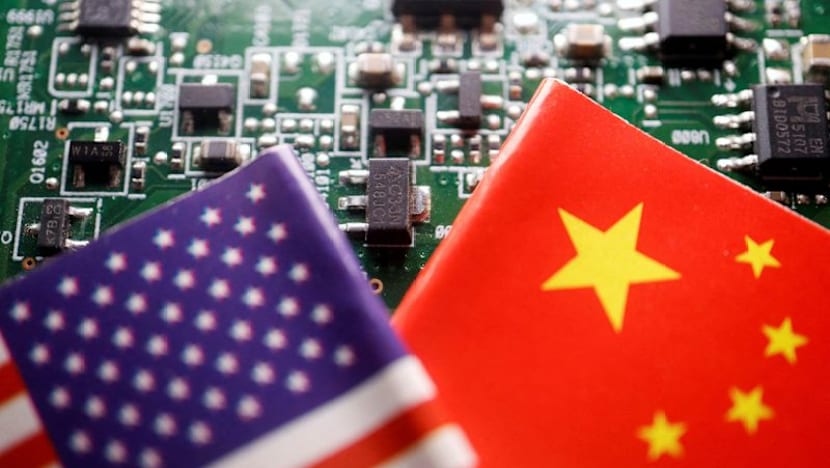
Commentary: Anthropic's AI restrictions benefit Chinese open-source models
Translated from English, summarized and contextualized by DistantNews.
At a glance
Analysis
Named sources
Context piece
- Anthropic's restricted access to its AI models Mythos and Fable has inadvertently boosted Chinese open-source AI.
- Chinese AI lab Zhipu seized the opportunity, launching its advanced open-source model and highlighting the global nature of science.
- The incident exposed the fragility of American AI dominance, as export controls affected allies and even foreign staff involved in model development.
The recent restrictions placed on Anthropic's powerful AI models, Mythos and Fable, by the Trump administration have created an unexpected boon for Chinese open-source artificial intelligence.
At a time when access to frontier models is abruptly cut off for non-technical reasons, we are even more convinced of one thing: Science should be global.
Initially, Anthropic's Mythos was seen in China as a symbol of American AI leadership. However, the botched rollout and subsequent disabling of access for foreign nationals, following a directive from Washington, has shifted the narrative. Chinese AI lab Zhipu quickly capitalized on this, announcing the launch of its own advanced model and emphasizing its open-source nature. Zhipu co-founder Jie Tang stated, "At a time when access to frontier models is abruptly cut off for non-technical reasons, we are even more convinced of one thing: Science should be global."
As I’ve written before, the performance gap between the top-of-the-line Chinese AI models and the best Silicon Valley offerings this year was widening, not shrinking.
This development underscores the fragility of American AI dominance. Instead of showcasing superiority, the situation has highlighted the potential unreliability of U.S. technology due to political considerations. The performance gap between leading Chinese AI models and their Silicon Valley counterparts has been narrowing, but accessibility remains a critical factor. As analysts note, Chinese open-source AI firms are benefiting from a "free sales pitch" they could not have otherwise orchestrated.
some open-source Chinese AI firms are having a “field day”, being handed a free sales pitch they couldn’t even have fathomed.
The export controls have not only targeted perceived adversaries but also American allies and foreign members of Anthropic's own staff, who were instrumental in developing these models. This broad application of restrictions weakens Washington's ambition for global collaboration on its AI framework, as it introduces political uncertainty. Other nations are taking notice, with one French presidential candidate calling the move a "wake-up call" about technological dependence.
a nation that depends on others for its technology is a nation that can be unplugged overnight
DistantNews Editorial
Originally published by CNA in English. Translated, summarized, and contextualized by our editorial team with added local perspective. Read our editorial standards.
More Stories


From Our Blog

What Gets Lost (and Found) When News Is Translated

The Critical Role of Diaspora Media in Global News

What Travellers Should Know About Countries with Restricted Press

A Digital Nomad's Guide to Following Local News

How the Same Story Looks Different in Different Countries
