


Commentary: Australia's under-16 social media ban appears to be failing
Translated from English, summarized and contextualized by DistantNews.
At a glance
Analysis
Documents & data
Context piece
- Six months after Australia implemented a ban on social media for under-16s, a new study suggests it is not working.
- The study found over 85% of under-16s continue to use restricted platforms, often through their own accounts.
- Researchers suggest the ban's effectiveness should be viewed long-term, comparing its logic to generational tobacco control measures.
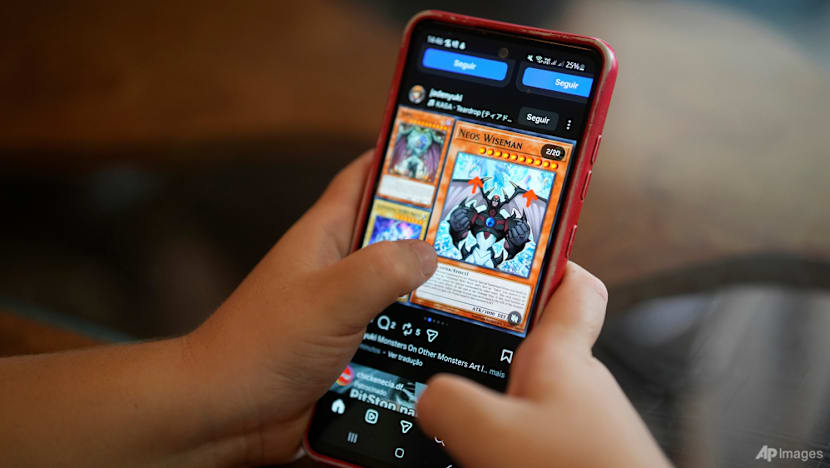
Australia's pioneering ban on social media access for individuals under 16 has shown little sign of success six months after its implementation, according to a new study. Headlines and young users alike suggest the law is failing to curb underage social media use.
It isn’t working.
A study published in the British Medical Journal, led by Courtney Barnes of the University of Newcastle, found minimal evidence that children have stopped accessing platforms like TikTok, X, Facebook, and Instagram. The research followed 408 adolescents aged 12 to 16, surveying them before the December 2025 ban and again three months later. The findings indicate that over 85% of under-16s were still using these platforms, primarily through their own accounts.
are children evading social media age checks?
While two-thirds of these young users encountered age verification, the most common method involved simply stating their age. Some used fake accounts or private browsing, but the use of VPNs to circumvent the ban was rare. Crucially, the study found no significant difference in social media usage between those just under the age limit and those just over it. These results align with previous research from the eSafety Commissioner, which indicated that about seven in 10 children retained their accounts after the law took effect.
It was an unrealistic pipe dream that the ban would stop all of today’s under-16s from using social media overnight.
However, the researchers caution against declaring the ban a complete failure. They argue that expecting an overnight cessation of social media use among all under-16s was an "unrealistic pipe dream." Instead, they propose that the ban's primary function may be to exert pressure on social media companies to comply with government directives, granting authorities greater control than before. The ban's logic, they suggest, is better understood as a generational public health strategy, akin to the approach taken with tobacco control, which aims to raise a generation for whom certain behaviors, like smoking or, in this case, social media use, never become normalized.
The aim is not to make today’s smokers quit but to raise a generation for whom smoking never becomes normal.
DistantNews Editorial
Originally published by CNA in English. Translated, summarized, and contextualized by our editorial team with added local perspective. Read our editorial standards.
More Stories


From Our Blog

What Gets Lost (and Found) When News Is Translated

The Critical Role of Diaspora Media in Global News

What Travellers Should Know About Countries with Restricted Press

A Digital Nomad's Guide to Following Local News

How the Same Story Looks Different in Different Countries
