


Commentary: Chevron exposes the gap between Venezuela oil rhetoric and reality
Translated from English and summarized by DistantNews. Read the original for the full story.
At a glance
Opinion
Named sources
New plan
- Chevron plans to invest more than $7 billion in two Venezuelan oil fields, potentially adding about 320,000 barrels per day by 2031.
- The investment appears to support President Donald Trump’s claims about a major Venezuelan oil expansion, but its limited, adjacent-field approach also highlights the practical difficulties.
- The deal relies on existing infrastructure and follows reforms to Venezuela’s fiscal and legal terms, while broader production growth would still require more capital.
Chevron’s new Venezuelan investment looks like confirmation of Washington’s grand oil ambitions. In practice, it may show how difficult those ambitions will be to deliver.
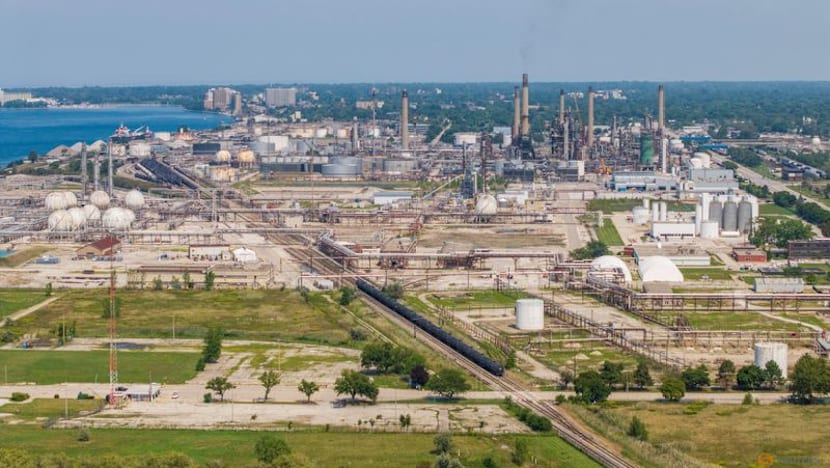
The US oil major announced on Sept. 2 that its Petroindependencia joint venture with Venezuela’s state-owned oil company would invest more than US$7 billion in two new fields in the Orinoco Belt. The project is expected to add about 320,000 barrels of crude a day by 2031, roughly doubling the production expected this year.
The announcement followed President Donald Trump’s claim that his own arrangement in Venezuela was “the biggest oil deal in world history”. Under that plan, the US government would effectively form a joint venture with North American Blue Energy Partners to develop 17 Venezuelan fields holding an estimated 65 billion barrels.
the biggest oil deal in world history
Chevron’s commitment is striking because ExxonMobil described Venezuela as “uninvestable” only eight months earlier. Yet the project also follows a familiar expansion model. The two fields are labelled greenfield sites, but they sit next to Chevron’s existing operations. That allows the company to use infrastructure, equipment and workers it maintained while much of Venezuela’s oil industry deteriorated.
The approach keeps costs relatively low. Chevron’s expansion implies capital spending of about US$22,000 for each additional daily flowing barrel. Italian oil major Eni is also expanding an existing Venezuelan position, with figures reported by Bloomberg News implying less than US$20,000 per flowing barrel. By comparison, ConocoPhillips’ Willow project in Alaska implies closer to US$50,000.
Reforms to Venezuela’s fiscal and legal terms earlier this year helped make the investments possible. But the projects remain measured expansions by major oil companies building from positions they already hold. Their potential combined increase is described as perhaps 700,000 barrels a day, leaving the much larger promise of a Venezuelan oil boom dependent on attracting substantially more capital.
uninvestable
About this summary
Originally published by CNA in English. Translated, summarized, and contextualized automatically by DistantNews, with a note on how the source frames the story. Not individually reviewed before publishing. How this works.
More Stories
From Our Blog

News in Translation: What Gets Lost, and How We Keep the Framing

Diaspora Media: How Communities Follow News From Home

Traveling Where the Press Is Not Free: How to Read the News There

The Digital Nomad's Guide to Local News

The Same Story, Different Countries: How Coverage Changes at the Border
