

Commentary: Despite its best efforts, Iran won’t be able to toll the Strait of Hormuz
Summarized and contextualized by DistantNews.
At a glance
Analysis
Named sources
Context piece
- Iran uses its disruption of shipping in the Strait of Hormuz as negotiation leverage.
- A defense professor argues that this leverage does not equate to long-term control over the vital waterway.
- The commentary suggests Iran's actions are a tactic rather than a sustainable strategy for dominance.
Iran is employing its capacity to disrupt maritime traffic through the Strait of Hormuz as a bargaining chip in ongoing negotiations. This strategy, however, is being critically examined by defense experts who question its long-term efficacy. A defense professor, writing for CNA, posits that while Iran can create significant challenges for shipping, this ability does not translate into sustained control over the crucial global trade route.
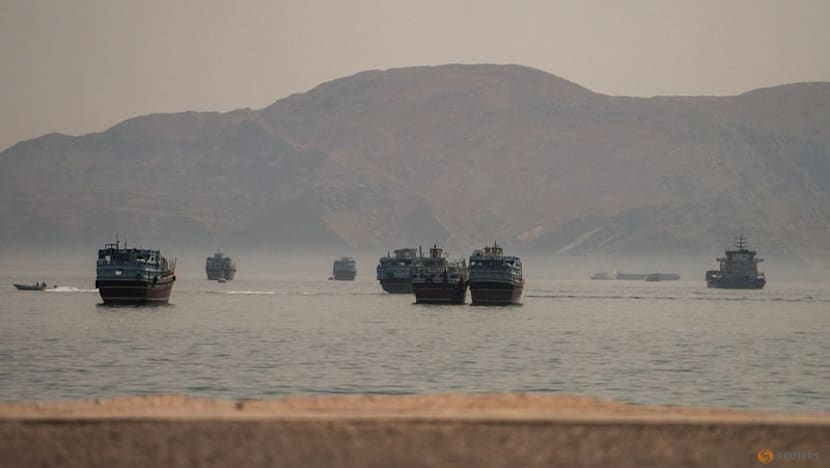
The Strait of Hormuz is a critical chokepoint, through which a significant portion of the world's oil supply passes. Iran's demonstrated ability to interfere with this traffic grants it a degree of influence in regional and international diplomacy. The commentary suggests that Iran is leveraging this disruptive potential to extract concessions or achieve specific objectives in its dealings with other nations.
However, the analysis emphasizes a distinction between temporary leverage and enduring command. The professor argues that Iran's efforts, while impactful in the short term, are unlikely to secure lasting dominance over the strait. This perspective suggests that Iran's approach is tactical, aimed at immediate gains rather than establishing a permanent strategic advantage. The commentary implies that international actors may be able to weather these disruptions without conceding to Iran's broader demands.
DistantNews Editorial
Originally published by CNA. Summarized and contextualized by our editorial team with added local perspective. Read our editorial standards.
More Stories


From Our Blog

What Gets Lost (and Found) When News Is Translated

The Critical Role of Diaspora Media in Global News

What Travellers Should Know About Countries with Restricted Press

A Digital Nomad's Guide to Following Local News

How the Same Story Looks Different in Different Countries
