


Commentary: Hormuz is no longer one front in US-Iran war - it is becoming a test
Summarized and contextualized by DistantNews.
At a glance
Analysis
Named sources
Context piece
- The Strait of Hormuz is becoming a critical test of international freedom of navigation amid US-Iran tensions.
- Iran's attacks on shipping are seen as leverage to change maritime rules, potentially establishing tolls for passage.
- The situation challenges the UN Convention on the Law of the Sea and impacts global trade and energy security.
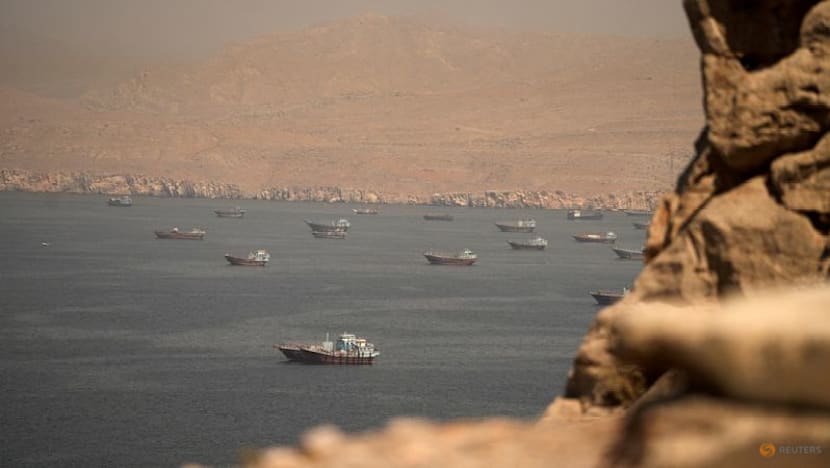
The Strait of Hormuz has evolved into a pivotal battleground, testing the principle of freedom of navigation as tensions between the United States and Iran escalate. What began as an effort to curb Iran's nuclear ambitions has transformed into a fundamental dispute over maritime passage. Iran's persistent attacks on commercial shipping, even after a memorandum of understanding, signal a strategic intent to leverage control of the vital waterway. This aggressive stance aims to fundamentally alter the existing navigation regime, potentially through the establishment of a new authority and the imposition of tolls for safe transit. The US response, including a briefly considered fee on cargo, has been criticized as misdirected, failing to address the core issue of Iran's actions. Historically, Iran has used attacks on shipping to send strategic messages, a pattern observed since the 1980s Tanker War and continuing with incidents in 2019 and the current conflict. The current situation is particularly concerning as it challenges the established international order. Freedom of navigation, a cornerstone of global trade protected under the 1982 UN Convention on the Law of the Sea (UNCLOS), faces increasing pressure from various geopolitical flashpoints, including Houthi attacks in the Red Sea and actions in the South China Sea. The outcome of the Hormuz situation will have far-reaching consequences, affecting not only energy security and shipping costs for Asian economies but also setting precedents for the governance of other contested waterways worldwide. The principle of transit passage through international straits, as enshrined in UNCLOS, is under direct threat, with potential implications for the predictability and stability of global maritime commerce.
DistantNews Editorial
Originally published by CNA. Summarized and contextualized by our editorial team with added local perspective. Read our editorial standards.
More Stories


From Our Blog

What Gets Lost (and Found) When News Is Translated

The Critical Role of Diaspora Media in Global News

What Travellers Should Know About Countries with Restricted Press

A Digital Nomad's Guide to Following Local News

How the Same Story Looks Different in Different Countries
