


Commentary: Iran's exports of methanol, pistachios, and cement choked by the war
Translated from English and summarized by DistantNews. Read the original for the full story.
At a glance
Analysis
Named sources
Context piece
- The conflict between Iran, the US, and Israel has disrupted global supply chains beyond oil, impacting Iran's exports of methanol, pistachios, and cement.
- Iran's methanol production, the world's second-largest, has effectively ceased due to strikes on gas infrastructure and the closure of the Strait of Hormuz, severely affecting China.
- Pistachio prices have risen significantly, and Iran's exports are threatened by disruptions near key ports, highlighting Iran's broader economic role.
The ongoing conflict involving Iran, the US, and Israel has escalated into a major global crisis, revealing that Iran's economic influence extends far beyond its oil exports. Disruptions to supply chains worldwide are now impacting a range of Iranian exports, including methanol, pistachios, and cement, which are crucial for various industries across Asia and the Middle East.
The closure of the Strait of Hormuz, a vital waterway for approximately 25% of global oil transport, has already rattled energy markets. This situation has been exacerbated by a US naval blockade imposed on April 13, aimed at restricting Iran's oil exports. The US Defense Department estimated in early May that Iran had lost nearly $5 billion in oil revenue due to this blockade.
Methanol, a key industrial and household product ingredient, represents one of the conflict's most significant commodity stories. Iran, the world's second-largest producer after China, manufactures about 10 million tonnes annually from its extensive natural gas reserves. However, since hostilities began in February, Iranian methanol exports have virtually stopped. Strikes on Iran's gas infrastructure have crippled both feedstock supply and energy for methanol plants. Coupled with the Strait of Hormuz closure and disruptions in Qatar's natural gas complexes, over 30% of the global seaborne methanol supply has been removed from the market.
China, a major importer of methanol, is experiencing the most severe impact. The disruption has forced domestic producers to increase output, but this comes at a higher cost for industrial users in eastern China, who are now paying up to 500 yuan ($74) per tonne more for domestically produced methanol than for imported supplies.
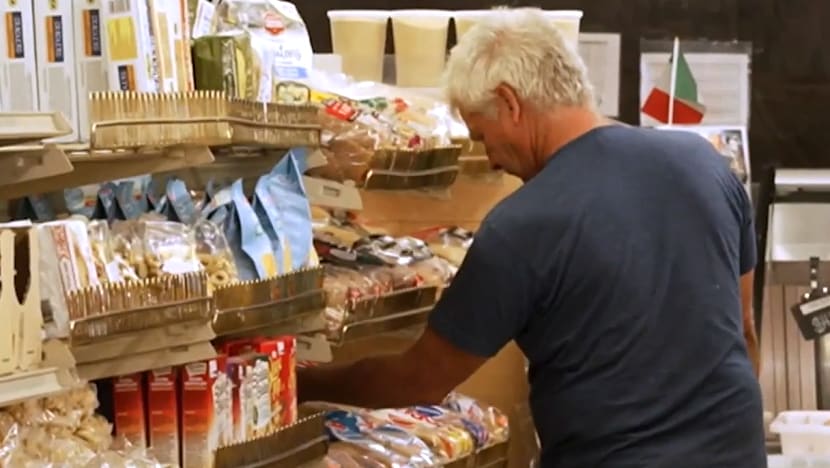
Iran's role as the second-largest global producer of pistachios is also under threat. Prices reached $4.57 per pound in March, the highest since 2018. While Iran's pistachio orchards are primarily in the northeastern province of Khorasan, where strikes have been less intense, disruptions near key ports along the Strait of Hormuz are severely affecting export capabilities. This multifaceted impact underscores Iran's significant, yet often overlooked, role in global supply chains.
About this summary
Originally published by CNA in English. Translated, summarized, and contextualized automatically by DistantNews, with a note on how the source frames the story. Not individually reviewed before publishing. How this works.
More Stories


From Our Blog

News in Translation: What Gets Lost, and How We Keep the Framing

Diaspora Media: How Communities Abroad Follow Home

Traveling Where the Press Is Not Free: How to Read the News There

The Digital Nomad's Guide to Local News

The Same Story, Different Countries: How Coverage Changes at the Border
