


Commentary: Peak oil demand has arrived
Summarized and contextualized by DistantNews.
At a glance
News
Named sources
Context piece
- The US-Iran conflict and the closure of the Strait of Hormuz have accelerated the arrival of peak global oil demand, according to an NYU professor.
- Global oil demand in 2026 is now projected to be lower than previously expected due to countries adapting to supply disruptions.
- Record drawdown of global inventories and sustained high oil prices indicate a more uncertain energy landscape, despite a seemingly restrained market response.
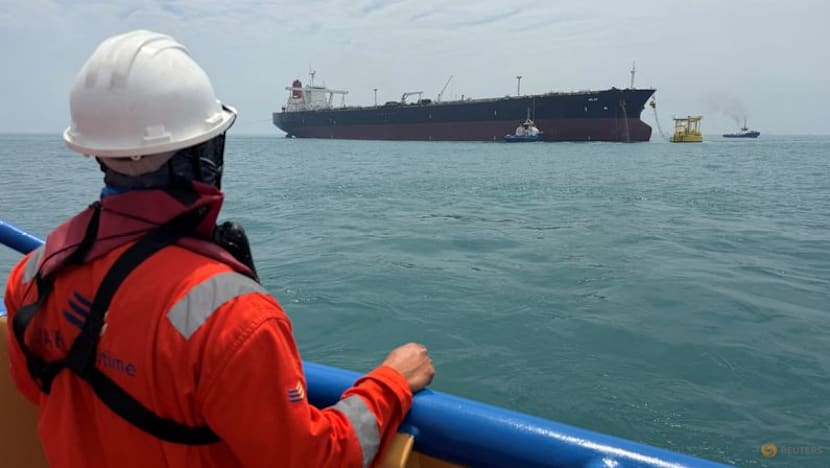
The ongoing conflict between the US and Iran, which has led to the effective closure of the Strait of Hormuz, is accelerating the arrival of peak global oil demand, according to NYU professor Carolyn Kissane. This disruption, described as the largest in modern history, is forcing a significant shift in energy markets. The International Energy Agency (IEA) now forecasts that global oil demand in 2026 will be approximately 1.3 million barrels per day lower than pre-war projections. While weaker economic conditions and higher prices contribute to this decline, a substantial portion is attributed to countries actively adapting to reduced oil availability. Faced with constrained supplies and uncertainty surrounding the vital energy chokepoint, governments and industries have intensified efforts to lessen their dependence on oil. This adaptation is reshaping the energy sector's long-held assumption of continued demand growth. Oil prices remain elevated, with West Texas Intermediate crude trading above $90 per barrel and Brent crude near $93, roughly 30 percent higher than pre-war levels. Despite these high prices, the market's response is described as surprisingly restrained. However, this calm masks a more concerning reality: global oil inventories have been drawn down at a record pace, leaving little buffer should the disruption persist. The Strait of Hormuz, once considered vulnerable but dependable, has proven to be a critical vulnerability in the global energy supply chain over the past three months.
The largest oil-supply disruption in modern history has accelerated the arrival of peak oil demand.
DistantNews Editorial
Originally published by CNA. Summarized and contextualized by our editorial team with added local perspective. Read our editorial standards.
More Stories



From Our Blog

What Gets Lost (and Found) When News Is Translated

The Critical Role of Diaspora Media in Global News

What Travellers Should Know About Countries with Restricted Press

A Digital Nomad's Guide to Following Local News

How the Same Story Looks Different in Different Countries
