


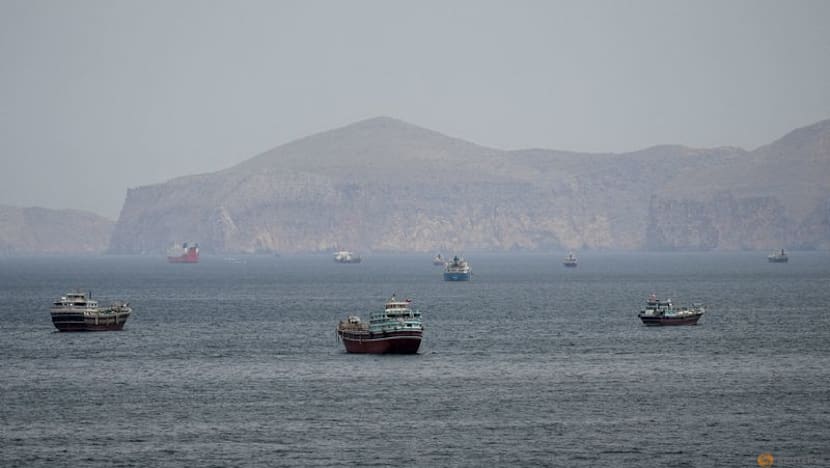
Commentary: The Strait of Hormuz is getting less dire by the day
Summarized and contextualized by DistantNews.
At a glance
Analysis
Named sources
Context piece
- The Strait of Hormuz is becoming less critical as the world adapts to reduced oil flow.
- Global supply chains have been rewired due to the closure, similar to adjustments made during the COVID-19 pandemic.
- Alternative oil sources and conservation measures are mitigating the impact, though some economies face contraction and price increases.
The Strait of Hormuz, a critical chokepoint for global oil transport, is diminishing in strategic importance as the world learns to operate with less oil flowing through it, according to Christopher Smart writing for The New York Times. Even if a peace agreement between the United States and Iran is reached, a swift return to pre-war energy flows through the strait is unlikely. The lingering threat and higher insurance costs will deter tanker captains from navigating the passage freely. However, the global economy is demonstrating resilience, adapting to the disruption much like it did during the COVID-19 pandemic and amid trade tensions. Consumers are already altering their behavior, with reports of reduced gasoline purchases at the pump. Nations like the United States, Brazil, Canada, Kazakhstan, and Venezuela are increasing their oil production, supplemented by strategic reserves. Markets are finding new supply routes, bypassing the strait where possible. Pipelines in Saudi Arabia and the United Arab Emirates offer alternative export capacity, potentially replacing a quarter of seaborne flows. Some countries have implemented rationing and conservation measures, such as limiting driving days or reducing public sector work hours. Despite these adjustments, the impact is not without pain. Qatar, heavily reliant on the strait for its liquefied natural gas exports, faces a significant economic contraction. Forecasts for economic growth in the Gulf region have been halved. Rising global energy prices are affecting consumers worldwide, leading to increased costs for gasoline, natural gas, and food, particularly in countries dependent on Gulf fertilizers.
The longer we go without oil from the Persian Gulf, the less we’ll need it.
DistantNews Editorial
Originally published by CNA. Summarized and contextualized by our editorial team with added local perspective. Read our editorial standards.
More Stories


From Our Blog

What Gets Lost (and Found) When News Is Translated

The Critical Role of Diaspora Media in Global News

What Travellers Should Know About Countries with Restricted Press

A Digital Nomad's Guide to Following Local News

How the Same Story Looks Different in Different Countries
