


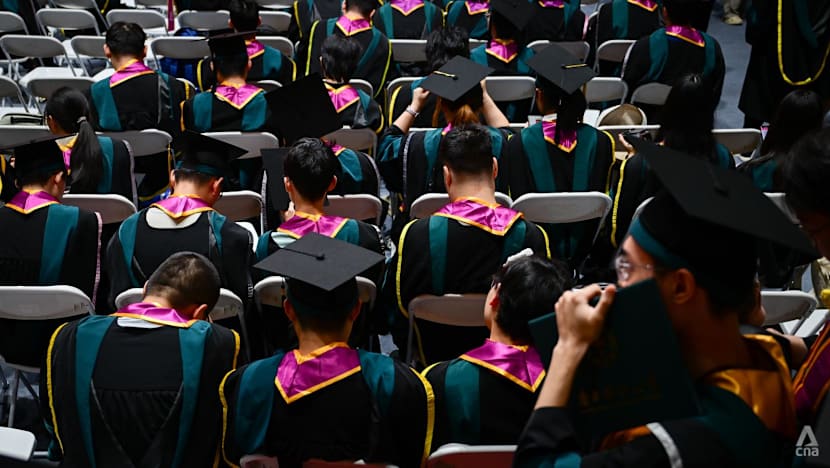
Commentary: University prestige perceptions lag behind Asian institutions' rising ranks
Translated from English, summarized and contextualized by DistantNews.
At a glance
News
Named sources
Context piece
- Asian universities are increasingly recognized in global rankings, with institutions in China, Hong Kong, and South Korea gaining ground.
- Despite rising rankings, older generations often still prioritize Western institutions like Oxford and Harvard due to ingrained prestige.
- Students today face a different landscape, with Asian universities offering strong programs and access to growing regional economies, influencing their choices.
Global university rankings show a continuing ascent for Asian institutions, particularly within the top 200, with universities in China, Hong Kong, and South Korea making significant gains. Singapore maintains a strong presence, boasting two universities in the top 12. This shift in academic standing is reshaping the higher education landscape, offering students more diverse and globally recognized options.
Places like MIT, Harvard and Oxford attract strong teachers and students.
However, deeply ingrained perceptions of prestige mean that long-held beliefs about what constitutes a "good" university are slow to change. For many older generations, names like Oxford, Cambridge, and the Ivy League still carry a symbolic weight that transcends mere rankings. This sentiment was echoed by Evelyn Tan, a mother whose daughter focused exclusively on universities within the top 50 of the QS rankings, which remain dominated by Western institutions.
"Places like MIT, Harvard and Oxford attract strong teachers and students," Tan remarked, referencing her own experience with Harvard's renowned CS50 Computer Science course. Another friend noted that for local universities, rankings were less critical as major institutions were already well-established. "When families compare overseas options, however, rankings often become a convenient way of sorting through an overwhelming number of choices," she added.
When it comes to local universities, ranking was less relevant in influencing decisions as all the major names are of comfortable standing.
While rankings signal shifts in educational quality, they do not automatically alter established mindsets. The QS World University Rankings 2027 indicate a rise in the international student ratio in Hong Kong, Malaysia, and South Korea. Conversely, the US and UK have experienced declines, partly due to stricter international student intake policies and graduate work visa regulations. This evolving environment presents both challenges and opportunities for universities worldwide as they compete for global talent.
When families compare overseas options, however, rankings often become a convenient way of sorting through an overwhelming number of choices.
DistantNews Editorial
Originally published by CNA in English. Translated, summarized, and contextualized by our editorial team with added local perspective. Read our editorial standards.
More Stories



From Our Blog

What Gets Lost (and Found) When News Is Translated

The Critical Role of Diaspora Media in Global News

What Travellers Should Know About Countries with Restricted Press

A Digital Nomad's Guide to Following Local News

How the Same Story Looks Different in Different Countries
