

Commentary: US-China 'strategic stability' carries hidden dangers
Translated from English and summarized by DistantNews. Read the original for the full story.
At a glance
Analysis
Sources not specified
Context piece
- Veteran editor Han Fook Kwang warns that a new phase in US-China relations, emerging three months after President Trump's Beijing visit, carries hidden dangers.
- He suggests that the concept of 'strategic stability' in US-China ties is a misnomer, as underlying tensions persist.
- The commentary urges caution, implying that the apparent stability may mask deeper issues that could destabilize the relationship.
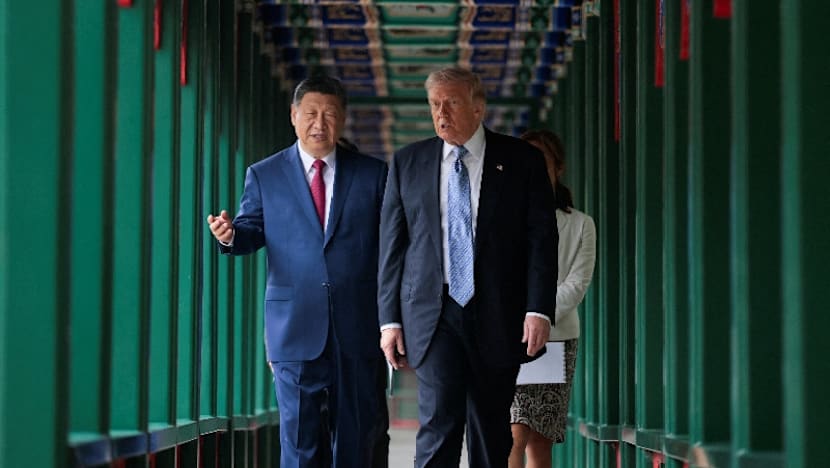
A new phase in US-China relations is emerging, three months after President Donald Trump's visit to Beijing. Veteran newspaper editor Han Fook Kwang warns that this period, characterized by a newfound sense of 'strategic stability,' carries hidden dangers.
Kwang argues that the notion of 'strategic stability' is a misnomer. He suggests that while superficial calm may prevail, the fundamental tensions and competition between the two global powers remain unresolved. This apparent stability could mask deeper issues that threaten to destabilize the relationship in the future.
The commentary implies that a closer examination of the underlying dynamics is necessary. It cautions against complacency, suggesting that the current phase might be a temporary lull rather than a genuine resolution of the complex challenges defining the US-China relationship.
The broad contours of a new phase in the US-China relationship are emerging.
About this summary
Originally published by CNA in English. Translated, summarized, and contextualized automatically by DistantNews, with a note on how the source frames the story. Not individually reviewed before publishing. How this works.
More Stories


From Our Blog

What Gets Lost (and Found) When News Is Translated

The Critical Role of Diaspora Media in Global News

What Travellers Should Know About Countries with Restricted Press

A Digital Nomad's Guide to Following Local News

How the Same Story Looks Different in Different Countries
