


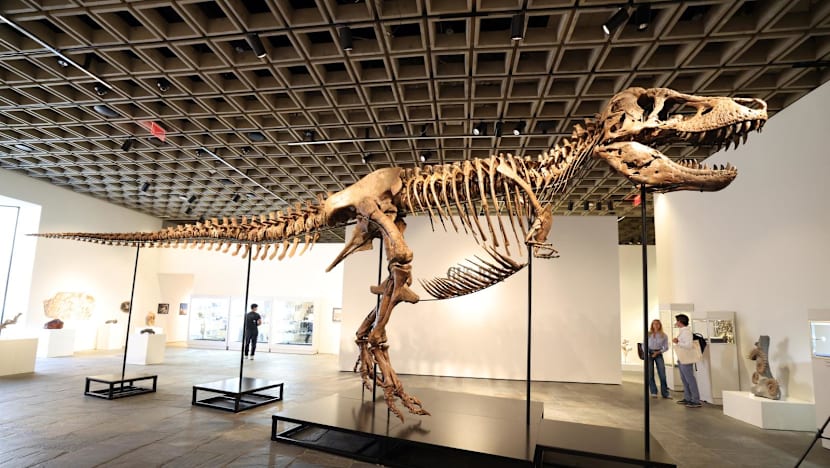
Commentary: What science loses when T rex becomes a trophy
Summarized and contextualized by DistantNews.
At a glance
Analysis
Sources not specified
Context piece
- A paleontologist argues that the private collection of dinosaur fossils, like T. rex, hinders scientific research.
- When fossils become trophies, researchers lose guaranteed access, impacting the study of prehistoric life.
- The article advocates for prioritizing scientific access over private ownership of significant paleontological finds.
The pursuit of prehistoric treasures for private collections poses a significant threat to scientific advancement, according to a paleontologist writing for CNA. Fossils, particularly iconic ones like Tyrannosaurus rex, are increasingly becoming status symbols for wealthy collectors. This trend, the author argues, directly impedes the work of researchers who rely on access to these specimens for study.
When a scientifically important fossil enters a private collection, the guarantee of access for researchers disappears. This can mean that crucial data remains locked away, preventing scientists from conducting vital analyses, publishing findings, or building a comprehensive understanding of prehistoric ecosystems and evolution. The author emphasizes that the value of a fossil extends far beyond its monetary worth or aesthetic appeal; its true significance lies in its potential to unlock secrets of the past.
The article calls for a shift in perspective, urging that the scientific value of fossils should take precedence over their status as trophies. It suggests that mechanisms should be in place to ensure that significant discoveries are made available for study, even if they are privately owned. Ultimately, the author contends that prioritizing scientific access will benefit humanity's collective knowledge of Earth's history, rather than allowing these irreplaceable pieces of the past to become mere objects of private display.
Once a scientifically important fossil enters a private collection, access for researchers is no longer guaranteed.
DistantNews Editorial
Originally published by CNA. Summarized and contextualized by our editorial team with added local perspective. Read our editorial standards.
More Stories



From Our Blog

What Gets Lost (and Found) When News Is Translated

The Critical Role of Diaspora Media in Global News

What Travellers Should Know About Countries with Restricted Press

A Digital Nomad's Guide to Following Local News

How the Same Story Looks Different in Different Countries
