


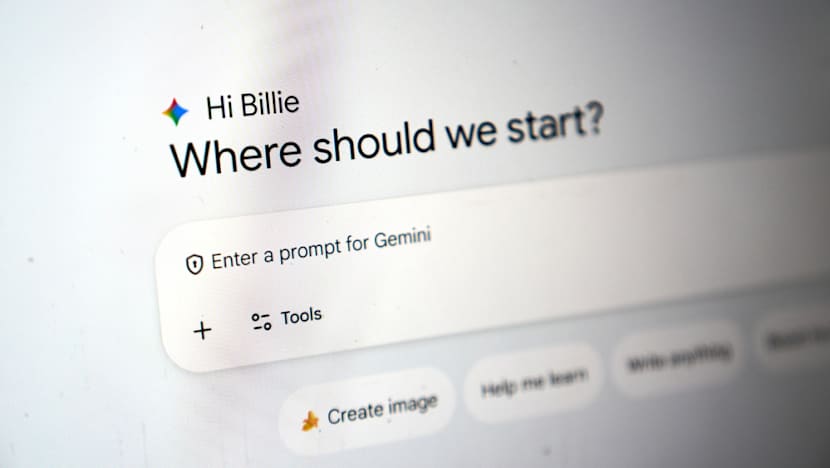
Commentary: With AI, we risk losing the ability to discover the unknown
Translated from English, summarized and contextualized by DistantNews.
At a glance
Analysis
Sources not specified
Context piece
- The increasing reliance on AI risks diminishing our capacity to discover unknown information and concepts.
- AI provides immediate answers, bypassing the exploratory and often serendipitous nature of traditional research.
- This shift from a journey of discovery to instant arrival may hinder genuine learning and intellectual exploration.
The pervasive influence of artificial intelligence is raising concerns about a potential erosion of our ability to discover what we didn't know to ask. As AI tools become more sophisticated, they offer immediate access to information, potentially short-circuiting the valuable process of exploration and learning.
This shift transforms the intellectual journey from a meandering path of inquiry into a direct arrival at a destination. Neuroscience researchers, writing for The New York Times, suggest that this immediacy, while efficient, may come at the cost of genuine discovery. The serendipitous encounters with unexpected knowledge, often crucial for deep understanding, could be lost.
The ease with which AI can provide answers might inadvertently limit our curiosity and the depth of our engagement with complex subjects. The process of seeking, questioning, and synthesizing information is fundamental to cognitive development and innovation. Over-reliance on AI could therefore stunt intellectual growth and the capacity for novel insights.
What used to be a meandering journey is now an immediate arrival at your destination.
DistantNews Editorial
Originally published by CNA in English. Translated, summarized, and contextualized by our editorial team with added local perspective. Read our editorial standards.
More Stories



From Our Blog

What Gets Lost (and Found) When News Is Translated

The Critical Role of Diaspora Media in Global News

What Travellers Should Know About Countries with Restricted Press

A Digital Nomad's Guide to Following Local News

How the Same Story Looks Different in Different Countries
