

Committee to review flexible work hours and work-from-home policies
Summarized and contextualized by DistantNews.
At a glance
News
Named sources
New plan
- Jamaica's Parliament will review flexible work hours and work-from-home policies amid global economic uncertainty.
- The review aims to identify practical measures to boost productivity, economic resilience, and improve citizens' quality of life.
- The committee will engage stakeholders to ensure recommendations are balanced and informed by local realities, considering the success of remote work during the COVID-19 pandemic.
Jamaica's Parliament is set to undertake a comprehensive review of flexible work arrangements, including flexible hours and work-from-home policies. The Economy and Production Committee will lead this examination, prompted by increasing global economic uncertainty, geopolitical instability, and rising fuel prices that are impacting businesses and national economies.
Jamaica must remain responsive to the changing realities of the global economy. As fuel and transportation costs continue to affect households and businesses, it is important that we examine innovative and practical approaches that can support productivity while improving the everyday lives of our people.
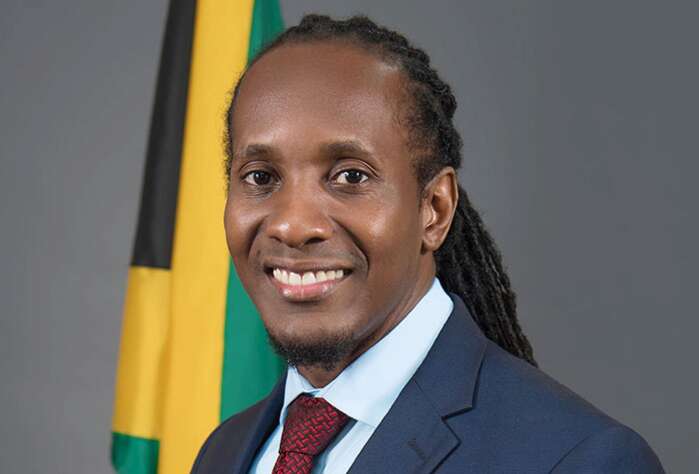
Alando Terrelonge, Minister of State in the Ministry of Foreign Affairs and Foreign Trade and chairman of the committee, highlighted the need for Jamaica to adapt to evolving global economic realities. He emphasized that as fuel and transportation costs continue to burden households and businesses, exploring innovative approaches is crucial for supporting productivity and enhancing the daily lives of Jamaicans.
The review intends to identify practical measures that can strengthen economic resilience and improve the quality of life for citizens. The committee plans to foster evidence-based discussions with various stakeholders, exploring both the opportunities and challenges associated with flexible work models. International examples of successful flexible workplace arrangements will be considered to improve organizational performance, employee well-being, and operational efficiency within the Jamaican context.
The objective is not simply to revisit practices introduced during the pandemic but to determine whether there are sustainable approaches that can help Jamaica become more productive, more competitive, and better prepared for future economic challenges.
Terrelonge pointed out that the COVID-19 pandemic demonstrated the feasibility of alternative work arrangements for many organizations. He believes the current economic climate presents an opportunity to assess whether aspects of these arrangements can continue to offer benefits to employees, employers, and the broader economy. The objective, he stressed, is not merely to revisit pandemic-era practices but to determine sustainable approaches that can enhance Jamaica's productivity, competitiveness, and preparedness for future economic challenges.
Jamaica cannot afford to ignore technological advancement
DistantNews Editorial
Originally published by Jamaica Observer. Summarized and contextualized by our editorial team with added local perspective. Read our editorial standards.
More Stories



From Our Blog

What Gets Lost (and Found) When News Is Translated

The Critical Role of Diaspora Media in Global News

What Travellers Should Know About Countries with Restricted Press

A Digital Nomad's Guide to Following Local News

How the Same Story Looks Different in Different Countries
