


Common Household Habits Causing Stress in Cats, Experts Warn
Translated from Croatian, summarized and contextualized by DistantNews.
At a glance
News
Named sources
Context piece
- Many cat owners unknowingly cause stress to their pets through common household practices involving scents and sounds.
- Cats' highly sensitive sense of smell, 14 times stronger than humans', makes them vulnerable to strong odors from essential oils, citrus, and cleaning products.
- Sudden loud noises like fireworks or arguments can trigger a fight-or-flight response, leading cats to hide or become agitated.
Many cat owners inadvertently create stressful environments for their feline companions through everyday habits involving scents and sounds, often without realizing the impact. While providing good nutrition and attention is crucial, cats also rely on a sense of security and predictability, which can be easily disrupted.
Cats' sense of smell is 14 times stronger than humans'.
Cats possess an olfactory sense 14 times more powerful than humans', making them highly sensitive to various smells. Veterinarian Dr. Amy Learn notes that strong scents from essential oils, citrus fruits, and even cleaning products can cause anxiety. Certain fragrances, particularly citrus and peppermint, can be overwhelming, and some, like citrus, can even be toxic if ingested. "The sweetness of the juice, the acidity of the aroma, the bitterness of the peel, all mixed and amplified... I know my head would hurt," Learn commented, illustrating the intensity of these smells for cats.
The sweetness of the juice, the acidity of the aroma, the bitterness of the peel, all mixed and amplified... I know my head would hurt.
Dr. Learn advises against using citrus-scented sprays or cleaners near a cat's belongings, such as beds, food bowls, or litter boxes. Additionally, the sensitive respiratory systems of cats can be irritated by airborne chemicals, perfumes, and even scented litter, potentially leading to respiratory problems. The general recommendation is to minimize strong, unnecessary odors in a cat's environment.
Avoid using sprays or cleaning agents with citrus scents on their beds, food bowls, and litter boxes.
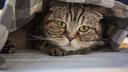
Beyond smells, sudden and loud noises pose another significant stressor for cats. Sounds like thunder, fireworks, loud music, or shouting can trigger their instinct to flee or fight, causing them to hide, run erratically, or hiss. While owners cannot always control noise levels, Adi Hovav, a veterinarian at the ASPCA Adoption Center, suggests providing a safe, quiet room for cats during disruptive events. If a cat has already found a hiding spot, it's best to let it remain undisturbed, as forcing it out could increase its stress.
I recommend that the cat be placed in a room where it feels safe and comfortable, away from the noise.
DistantNews Editorial
Originally published by Večernji List in Croatian. Translated, summarized, and contextualized by our editorial team with added local perspective. Read our editorial standards.
More Stories



From Our Blog

What Gets Lost (and Found) When News Is Translated

The Critical Role of Diaspora Media in Global News

What Travellers Should Know About Countries with Restricted Press

A Digital Nomad's Guide to Following Local News

How the Same Story Looks Different in Different Countries
