


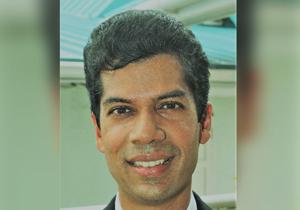
Comrade Rienzi wanted unity
Summarized and contextualized by DistantNews.
At a glance
In-depth
Sources not specified
Context piece
- Adrian Cola Rienzi, an influential figure in Trinidad and Tobago's labor movement, is highlighted for his role in advocating for Indian political representation and Afro-Indian unity.
- Rienzi led a historic resolution in 1925 demanding more political representation for the Indian community, challenging the colonial status quo.
- He is credited with uniting the African and Indian communities on a class basis, serving as the first president general of the Oilfields Workers' Trade Union (OWTU).
Adrian Cola Rienzi, formerly known as Krishna Deonarine, is recognized as a pivotal figure in Trinidad and Tobago's history, particularly for his early advocacy for Indian political representation and his efforts to foster unity between African and Indian communities.
In 1925, Rienzi penned a letter to the editor of the Labour Leader, detailing a mass meeting where a resolution of protest was passed. The meeting aimed to convey dissatisfaction to the governor regarding the failure to appoint Indians to the nominated unofficial section of the Legislative Council. Rienzi spearheaded a historic resolution demanding increased political representation for the Indian community, marking one of the first significant challenges to the political status quo by an individual of Indian descent.
Rienzi’s answer to this divide-and-rule tactic was his appeal to African/Indian unity on a class basis…
Brinsley Samaroo, in his writings on Rienzi, assesses the trade unionist's approach to the divisiveness of colonialism. Samaroo notes that Rienzi's strategy involved appealing for African-Indian unity on a class basis, emphasizing the common interests of both groups. This advocacy for Afro-Indian solidarity was instrumental in his leadership.
Rienzi's leadership qualities were further recognized during the founding conference of the Oilfields Workers' Trade Union (OWTU) on July 25, 1937. E Blades nominated Rienzi as the first president general, despite objections that the position should be held by an oil worker rather than a barrister. Blades and other delegates acknowledged Rienzi's ability to connect with oil workers and his strong leadership potential, which contributed to his popularity and election.
…he successfully brought the two major races together by his constant advocacy of Afro-Indian solidarity through highlighting the common class interests of both groups.
DistantNews Editorial
Originally published by Trinidad Express. Summarized and contextualized by our editorial team with added local perspective. Read our editorial standards.
More Stories


From Our Blog

What Gets Lost (and Found) When News Is Translated

The Critical Role of Diaspora Media in Global News

What Travellers Should Know About Countries with Restricted Press

A Digital Nomad's Guide to Following Local News

How the Same Story Looks Different in Different Countries
