


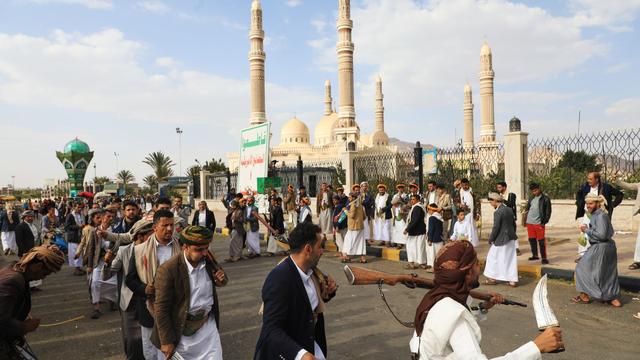
Conflict with Saudi Arabia: Why violence in Yemen is flaring up again
Translated from German, summarized and contextualized by DistantNews.
At a glance
News
From a news agency
Ongoing story
- The conflict in Yemen between the Houthi militia and the Saudi-led coalition is escalating, threatening to open a new front in the Middle East.
- Recent air raids in Sanaa, initiated by the internationally recognized Yemeni government to prevent an Iranian plane landing, have intensified the conflict.
- The war, which began in 2014, has caused a severe humanitarian crisis and resulted in over 150,000 deaths.
The war in Yemen, a nation already grappling with a severe humanitarian crisis, is threatening to escalate as tensions flare between the Houthi militia and the Saudi-led coalition.
Recent air attacks in the Houthi-controlled capital, Sanaa, in July marked the most significant escalation in the conflict in years. These strikes were reportedly launched by the internationally recognized Yemeni government to prevent an Iranian aircraft from landing. The coalition, which controls Yemen's airspace, has heavily restricted international flights to Sanaa's airport.
Kurswechsel
Experts suggest the Houthi's attempt to land the Iranian plane was a challenge to coalition control over Yemeni airspace. The International Crisis Group believes the Houthi feel emboldened by the ongoing Iran-Krieg, with Tehran reportedly supporting the militia's actions. This marks a shift from Iran's previous efforts towards de-escalation in Yemen.
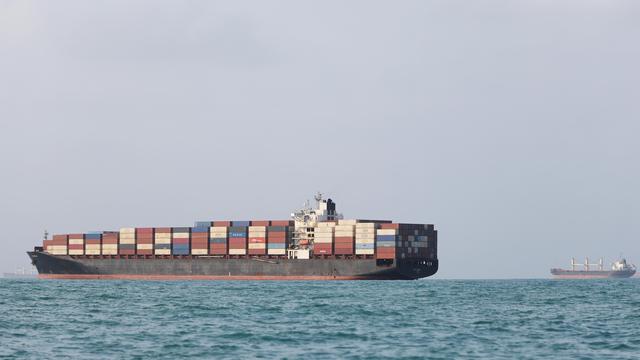
In response, the Houthi accused Saudi Arabia of the airport attack and declared a "blockade" on maritime traffic for the Gulf state. The Iran-backed militia has since targeted several Saudi ships and locations within the Gulf state. The conflict, which began in 2014 when the Houthi overran Yemen, has resulted in over 150,000 direct deaths and left millions dependent on aid in one of the world's poorest countries.
Blockade
DistantNews Editorial
Originally published by Die Zeit in German. Translated, summarized, and contextualized by our editorial team with added local perspective. Read our editorial standards.
More Stories


From Our Blog

What Gets Lost (and Found) When News Is Translated

How the Same Story Looks Different in Different Countries

The Critical Role of Diaspora Media in Global News

What Travellers Should Know About Countries with Restricted Press

A Digital Nomad's Guide to Following Local News
