


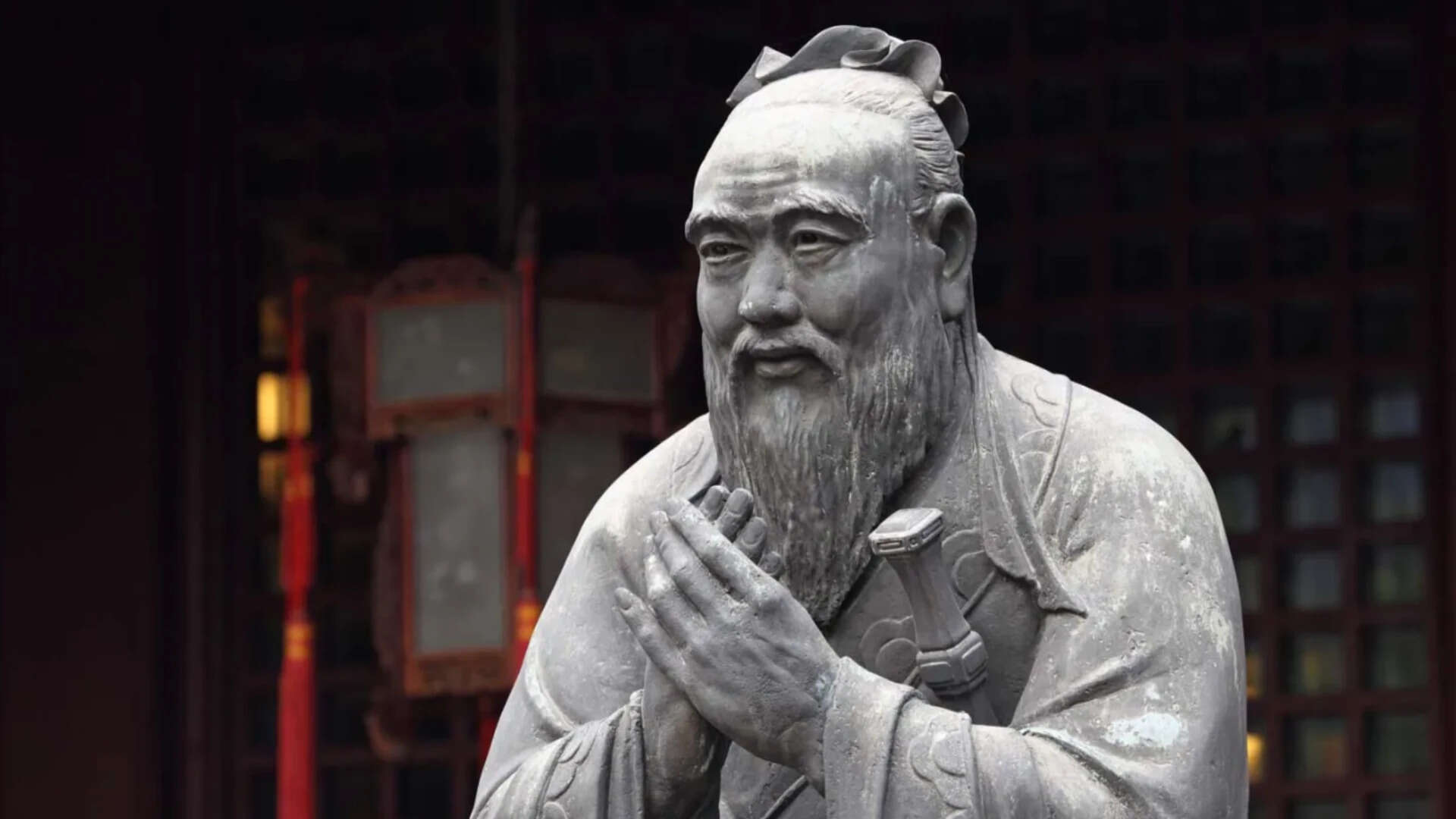
Confucius's timeless lesson: Learn from everyone you meet
Translated from English, summarized and contextualized by DistantNews.
At a glance
In-depth
Sources not specified
Context piece
- Confucius taught that every person encountered can serve as a teacher, offering lessons through their good and bad qualities.
- This philosophy emphasizes that wisdom is accessible through active learning in everyday interactions, not confined to formal institutions.
- The teaching encourages self-reflection and personal growth by examining others' actions to identify and correct one's own weaknesses.
The ancient Chinese philosopher Confucius, who lived between 770 BC and 476 BC, offered a profound perspective on learning and self-cultivation. He famously stated, "If I am walking with two other men, each of them will serve as my teacher. I will pick out the good points of the one and imitate them, and the bad points of the other and correct them in myself."
This teaching, recorded in the Analects, challenges traditional notions of who can be considered a teacher. Confucius suggested that wisdom is not exclusive to renowned scholars or esteemed masters but is available to anyone willing to learn. He viewed every human interaction, whether pleasant or frustrating, as an opportunity for personal development, provided one possesses the right mindset. This approach remains relevant today, addressing the common human tendency to judge others rather than using their behavior as a catalyst for self-improvement.
If I am walking with two other men, each of them will serve as my teacher. I will pick out the good points of the one and imitate them, and the bad points of the other and correct them in myself.
Confucius, known in China as Kong Fuzi, lived during a period of significant political turmoil and social unrest. Despite the prevailing reliance on force by rulers, Confucius traveled extensively, advocating for ethical governance, proper rituals, and moral responsibility. His philosophy aimed to guide leaders toward a more virtuous path.
His students compiled his sayings and conversations after his death, forming the foundation of Confucian philosophy. The original Chinese phrase, "San ren xing, bi you wo shi yan," literally translates to "When three people walk together, one of them must be my teacher." By presenting himself as a perpetual learner, Confucius exemplified intellectual humility, rejecting the idea of being an all-knowing sage and instead embracing the role of an ordinary traveler open to learning from everyone.
San ren xing, bi you wo shi yan.
DistantNews Editorial
Originally published by Times of India in English. Translated, summarized, and contextualized by our editorial team with added local perspective. Read our editorial standards.
More Stories


From Our Blog

What Press Freedom Means for the News You Read

What Gets Lost (and Found) When News Is Translated

The Critical Role of Diaspora Media in Global News

What Travellers Should Know About Countries with Restricted Press

A Digital Nomad's Guide to Following Local News
